Home
-
Crisp Vitality: Braised Lettuce with Garlic, Ginger & Sesame
At DAYLONGLIFE, we often think of lettuce merely as a cold, crunchy base for raw salads. But in traditional longevity cultures—especially in Mediterranean and Asian culinary traditions—lettuce is frequently cooked.
Gentle heating transforms humble greens, breaking down tough plant fibers while preserving delicate vitamins and creating a warm, comforting side dish that is remarkably easy on the digestive system.
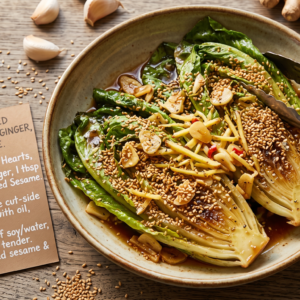
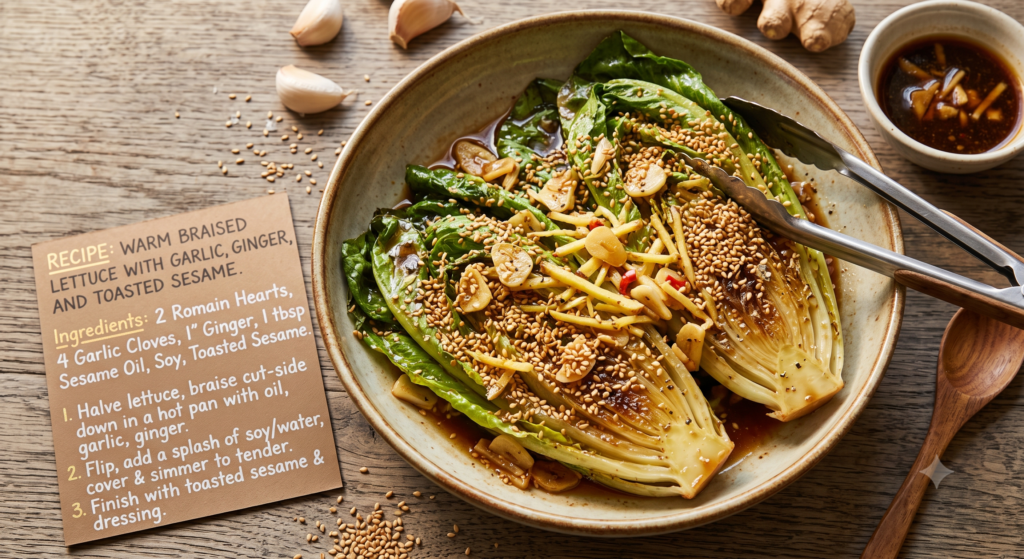
Today, we are showcasing cooked lettuce as a hero ingredient in The Longevity Kitchen with a simple, anti-inflammatory recipe: Warm Braised Lettuce with Garlic, Ginger, and Toasted Sesame.
Why Cooked Lettuce Belongs in a Longevity Diet
Lettuce—particularly dark leafy varieties like Romaine, butterhead, or Little Gem—is an understated power vegetable loaded with vital nutrients:
- Heart-Healthy Folate & Vitamin K: Darker lettuces are rich in Vitamin K, which supports bone density and arterial health, as well as folate, an essential B-vitamin for cellular repair and DNA synthesis.
- Gentle on Digestive Fire: While raw salads can sometimes cause bloating or digestive strain (especially for sensitive gut types or during cooler seasons), gently braising or stir-frying lettuce wilts the greens, making their fiber much easier to digest while keeping nutrient absorption high.
- Hydration & Antioxidants: Lettuce has a very high water content combined with polyphenols and quercetin, helping to hydrate cells from within and soothe systemic inflammation.
Simple Recipe: Warm Braised Romaine with Ginger & Garlic
This quick 10-minute dish brings out a mild, buttery sweetness in lettuce, elevated by warming aromatics and healthy fats.
🌿 Ingredients (Serves 2–3)
- 2 heads Fresh Romaine or Little Gem lettuce (washed, dried thoroughly, and sliced lengthwise into halves or quarters)
- 1.5 tbsp Extra virgin olive oil or toasted sesame oil
- 2 cloves Garlic, thinly sliced
- 1 tsp Fresh ginger, julienned or finely grated
- 1.5 tbsp Low-sodium tamari or coconut aminos
- 1 tsp Toasted sesame seeds
- Optional: A light drizzle of raw honey or maple syrup, and a pinch of chili flakes for mild heat
🥣 Step-by-Step Instructions
- Prep the Greens: Trim the base of the lettuce heads, leaving enough stem so the leaves stay intact when cut lengthwise into halves or quarters.
- Warm the Aromatics: Heat the olive oil (or sesame oil) in a wide skillet over medium heat. Add the sliced garlic and ginger, sautéing gently for 30 to 45 seconds until fragrant without burning.
- Sear the Lettuce: Place the lettuce quarters cut-side down in the pan in a single layer. Press down gently with tongs and let them sear undisturbed for 2 minutes until lightly golden and caramelized.
- Glaze & Wilt: Turn the lettuce pieces over. Drizzle the tamari (or coconut aminos) directly over the lettuce. Cover the skillet with a lid and let it steam/braise for 1 to 2 minutes until the leaves are slightly wilted but still retain a bright green color and crisp center.
- Garnish & Serve: Transfer the warm lettuce to a serving platter, pour the garlic-ginger oil juices from the pan over top, and sprinkle generously with toasted sesame seeds.
Longevity Tip: The Art of Light Cooking
The key to cooking lettuce for maximum health benefits is speed. A quick sear or light steam preserves heat-sensitive antioxidants like Vitamin C while softening insoluble fiber.
Pairing warm greens with healthy fats (like sesame oil or extra virgin olive oil) ensures that fat-soluble vitamins (A and K) are easily absorbed by your body!
Have you ever tried cooking or braising lettuce instead of eating it raw? What is your favorite warm leafy green side dish? Share your thoughts in the comments below!
-
The Ageless Mind: Harnessing the Power of Daily Affirmations for Cognitive Vitality
At DAYLONGLIFE, we often talk about how the food on our plates and the water in our mugs shape our health. But there is another vital input that influences your nervous system, stress levels, and brain longevity every single day: your inner dialogue.
An “ageless mind” isn’t just maintained through crosswords, nutritious meals, or proper sleep. It is actively shaped by the thoughts you repeat. In modern neuroscience, this concept is backed by neuroplasticity—the brain’s remarkable ability to reorganize itself, form new neural connections, and adapt throughout your entire life.
By practicing positive, intentional affirmations, you can rewire automatic thought patterns, calm chronic stress response, and cultivate mental sharpness and emotional resilience.
The Science: How Affirmations Protect Your Brain
When you experience stress, self-doubt, or anxiety about aging, your brain releases cortisol and adrenaline. Over time, chronic exposure to these stress hormones causes neuroinflammation and impairs memory processing in the hippocampus.
Positive affirmations act as a mental pause button:
- Interrupts Fight-or-Flight: Repeating calming, empowering phrases shifts your nervous system from sympathetic (stress) to parasympathetic (rest and repair) mode.
- Strengthens Neural Pathways: Just as physical exercise strengthens muscles, repeating constructive thoughts reinforces adaptive pathways in your prefrontal cortex—the center for decision-making, focus, and emotional regulation.
- Enhances Self-Efficacy: Research shows that self-affirmation activates the brain’s reward centers, making you more resilient to daily setbacks and more likely to maintain healthy lifestyle choices.
7 Affirmations for an Ageless Mind
To get the most out of affirmations, pair them with deep breathing or a quiet morning ritual (like sipping warm herbal tea or journaling). Repeat each statement slowly, allowing your mind and body to fully feel its truth.
1. On Cognitive Vitality
“My mind is clear, adaptable, and constantly expanding with wisdom and curiosity.”
2. On Stress Release & Calm
“I release what I cannot control and welcome peace into my nervous system.”
3. On Graceful Aging
“Every year adds depth, strength, and vitality to my mind and body.”
4. On Focus & Mental Clarity
“I nourish my brain with rest, presence, and calm intention.”
5. On Resilience & Health
“My body knows how to heal, balance, and thrive at every stage of life.”
6. On Mindfulness & Being Present
“I am grounded in this moment, free from the burdens of yesterday and tomorrow.”
7. On Gratitude & Vitality
“I am grateful for the vitality flowing through my mind, body, and spirit today.”
How to Integrate Affirmations into Your Daily Routine
- Morning Light Anchor: Speak 2 or 3 affirmations aloud while standing near a sunlit window or sipping your morning water.
- Post-Meditation / Breathwork: Repeat your chosen affirmation right after a 4-7-8 breathing session when your brain is in a receptive, calm state.
- Sticky Note Reminders: Write one statement on a card and place it on your desk, bathroom mirror, or kitchen counter as a gentle reminder throughout the afternoon.
Cultivating Mental Longevity Every Day
Your thoughts are the soundtrack to your life. Choosing self-compassion, clarity, and calm isn’t just positive thinking—it is active, loving care for your brain’s long-term vitality.
Which affirmation resonated with you most today? Do you have a personal daily mantra that keeps your mind clear and calm? Share it in the comments below!
-
The Longevity Root: Golden Roasted Carrots with Turmeric & Olive Oil
At DAYLONGLIFE, we love celebrating humble, whole-food ingredients that punch far above their weight in nutritional power. Among all the vegetables in your crisper drawer, few are as versatile, accessible, and deeply nourishing as the carrot.
In modern longevity science and traditional culinary wisdom, carrots are celebrated as a true “longevity root.” Packed with potent antioxidants, dietary fiber, and essential vitamins, this vibrant orange vegetable is a core staple in anti-inflammatory diets and Blue Zone-inspired cooking.
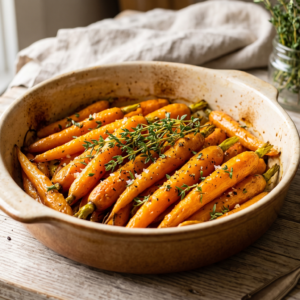
Today, we are sharing a signature Longevity Kitchen dish: Golden Roasted Carrots with Turmeric, Garlic, and Extra Virgin Olive Oil. It is warm, sweet, savory, and designed to maximize nutrient absorption while delighting your senses.
Why Carrots are a Longevity Powerhouse
Carrots offer far more than just a sweet crunch. When prepared with healthy fats and warm spices, their health benefits soar:
- Beta-Carotene & Vitamin A: Carrots are rich in beta-carotene, an antioxidant that converts to Vitamin A in the body. It protects cellular health, supports immune resilience, and preserves sharp vision as we age.
- Gut-Nourishing Fiber: The soluble and insoluble fibers in carrots feed beneficial gut bacteria, promoting a balanced microbiome—the command center for healthy aging and immunity.
- Bioavailability Boosted by Cooking: Cooking carrots with healthy fats (like extra virgin olive oil) breaks down their tough plant cell walls, making beta-carotene significantly easier for your body to absorb!
Simple Recipe: Golden Roasted Carrots with Turmeric & Thyme
This side dish transforms simple root vegetables into a rich, caramel-tinged delicacy that pairs beautifully with toasted grains, legumes, or a fresh leafy green salad.
🌿 Ingredients (Serves 4)
- 1.5 lbs (700g) Whole organic carrots (peeled, or scrubbed clean with tops trimmed)
- 2.5 tbsp Extra virgin olive oil
- 1 tsp Ground turmeric
- 1/2 tsp Ground cumin or coriander seeds
- 3 cloves Garlic, finely minced or grated
- 3–4 sprigs Fresh thyme or rosemary
- 1/2 tsp Sea salt & a generous pinch of freshly cracked black pepper (essential for unlocking turmeric’s absorption!)
- Optional garnish: Fresh parsley, toasted pumpkin seeds (pepitas), or a squeeze of fresh lemon juice
🥣 Step-by-Step Instructions
- Preheat & Prepare: Preheat your oven to 400°F (200°C). Slice large carrots in half lengthwise (or into thick diagonal coins) so they roast evenly.
- Make the Anti-Inflammatory Oil: In a small bowl, whisk together the extra virgin olive oil, ground turmeric, cumin/coriander, minced garlic, sea salt, and black pepper.
- Toss & Coat: Arrange the carrots on a parchment-lined baking sheet. Pour the spiced olive oil mixture over the carrots and toss well until every piece is evenly golden. Scatter fresh thyme sprigs across the tray.
- Roast to Perfection: Roast in the oven for 25 to 30 minutes, flipping halfway through. The carrots should be fork-tender with lightly caramelized, golden-brown edges.
- Finish & Serve: Transfer to a warm serving platter, discard the crisp thyme stems, and drizzle with a fresh squeeze of lemon juice or top with crunchy toasted pumpkin seeds.
Cooking Tip for Maximum Vitality
Always pair turmeric with a pinch of black pepper and a healthy fat. Black pepper contains piperine, a natural compound that enhances your body’s absorption of curcumin (the active anti-inflammatory compound in turmeric) by up to 2,000%!
Enjoying root vegetables roasted slowly with warm spices is a beautiful, grounding way to honor your body and bring longevity directly onto your dinner table.
How do you like to prepare root vegetables at home? Have you tried roasting carrots with turmeric before? Share your thoughts in the comments below!
-
Hydration for Longevity: How Mindful Water Drinking Transforms Your Everyday Wellness
At DAYLONGLIFE, we often look at wellness through the lens of nourishing meals, soothing teas, and quiet moments of reflection. Yet, the most powerful foundation for vibrant health and longevity is also the simplest: water.
Water makes up roughly 60% of our adult bodies, acting as the primary medium for cellular repair, nutrient transport, joint lubrication, and brain function. However, true hydration isn’t just about chugging eight glasses a day—it is about how, when, and what temperature you drink to truly nourish your system.
Here is how you can transform simple water drinking into a restorative, daily wellness ritual.
1. The Power of Warm Water First Thing in the Morning
When you wake up after 7 to 8 hours of sleep, your body is naturally dehydrated. Rehydrating before anything else is one of the kindest gifts you can give your digestive system.
- The Wellness Habit: Before reaching for coffee or breakfast, sip a large mug of warm or room-temperature water.
- The Longevity Benefit: Warm water gently awakens your gastrointestinal tract, stimulates natural bowel movements, and flushes out overnight cellular waste—all without shocking your internal digestive fire (Agni).
2. Temperature Matters: Ditch the Ice Cold Water
While a glass of ice-cold water might feel refreshing, traditional holistic health practices and Ayurvedic wisdom advise against drinking icy liquids with meals.
- The Wellness Habit: Opt for room-temperature, lukewarm, or warm water throughout the day.
- The Longevity Benefit: Ice-cold water constricts blood vessels in your stomach and hardens fats from your food, forcing your body to work harder to digest nutrients. Warm water keeps digestion fluid, efficient, and stress-free.
3. Sip Slowly, Don’t Chug
When you gulp down a large bottle of water all at once, your body cannot absorb it efficiently, and much of it passes straight through your kidneys.
- The Wellness Habit: Keep a beautiful glass or ceramic mug near your desk or kitchen counter, and take small, intentional sips continuously throughout the day.
- The Longevity Benefit: Slow sipping allows your saliva—which is alkaline—to mix with the water, neutralizing stomach acid and allowing your cells to absorb moisture gradually and deeply.
4. Boost Your Water with Natural Electrolytes
Plain water is great, but adding subtle, natural ingredients enhances its bio-availability, turning a routine drink into an anti-inflammatory elixir.
- Simple Longevity Enhancers:
- Fresh Lemon or Lime: Adds vitamin C and alkalizes the body once digested.
- A Thin Slice of Fresh Ginger: Soothes inflammation and boosts sluggish metabolism.
- A Pinch of Mineral-Rich Himalayan Salt: Replaces vital trace minerals to help your cells retain optimal hydration.
- Fresh Mint Leaves or Cucumber: Provides a cooling, refreshing taste during warmer afternoons.
5. Stop Drinking Large Amounts During Meals
Water is essential for digestion, but timing is everything.
- The Wellness Habit: Drink plenty of water 30 minutes before a meal, or wait 30 minutes after you finish. During meals, restrict yourself to small, warm sips if needed.
- The Longevity Benefit: Flooding your stomach with liquid while eating dilutes essential digestive enzymes and stomach acids, leading to bloating, indigestion, and poor nutrient absorption.
Make Hydration a Mindful Anchor
Drinking water doesn’t have to be a boring task on a checklist. Let each cup be a moment to pause, breathe, and honor the body that carries you through life.
Start tomorrow morning with a warm glass of lemon water, sip slowly, and notice the soft boost in your energy and clarity!
How do you like to drink your water during the day? Do you prefer warm herbal infusions or lemon-infused water? Share your routine in the comments below!
-
Everyday Balance: Five Ancient Ayurvedic Health Tips for Modern Longevity
At DAYLONGLIFE, we are always exploring time-tested wisdom that helps us live healthier, more vibrant lives. Long before modern wellness trends emerged, Ayurveda—India’s 5,000-year-old “science of life”—offered a profound blueprint for longevity based on harmony, natural rhythms, and self-care.
Ayurveda teaches us that health isn’t just the absence of illness; it is a state of dynamic balance between our body, mind, and environment. The best part? You don’t need to transform your entire life overnight to reap its benefits.
Here are 5 simple, practical Ayurvedic health tips you can easily bring into your daily routine to boost digestion, calm your nervous system, and support long-term vitality.
1. Awaken Your Digestion with Warm Lemon Water
In Ayurveda, strong digestive fire (Agni) is considered the absolute cornerstone of good health. Cold or icy water can dampen this fire, making digestion sluggish.
- The Daily Practice: Start your morning by sipping a mug of warm water with a fresh squeeze of lemon juice (and a tiny pinch of ginger or honey if desired).
- The Benefit: This gently wakes up your gastrointestinal tract, flush out overnight metabolic waste (Ama), and prepares your digestive system for breakfast.

2. Eat Your Largest Meal at Midday
Have you ever felt heavy and restless after a late, heavy dinner? Ayurveda aligns our internal clock with the movement of the sun. When the sun is at its highest (between 12:00 PM and 2:00 PM), our digestive energy is naturally at its peak.
- The Daily Practice: Make lunch your primary, most substantial meal of the day. Keep dinner lighter—such as a warm soup, stew, or cooked vegetables—and aim to eat at least 2 to 3 hours before sleep.
- The Benefit: This maximizes nutrient absorption during the day and prevents your body from working overtime to digest food while you sleep, leading to deeper, more restorative rest.
3. Practice Abhyanga (Self-Massage with Warm Oil)
Abhyanga is the traditional Ayurvedic practice of massaging warm, natural oil into the skin before bathing. In Sanskrit, the word for oil (Sneha) is the same word used for “love” or “tenderness.”
- The Daily Practice: Before your morning shower, warm a small tablespoon of organic sesame oil (grounding and warming) or coconut oil (cooling and soothing). Massage it gently into your skin using long strokes on your limbs and circular motions on your joints.
- The Benefit: It deeply nourishes the skin, promotes lymphatic circulation, calms an overactive nervous system, and grounds excess Vata (anxiety or restlessness).

4. Sip Whole-Spice Teas Throughout the Day
Instead of relying solely on caffeine for afternoon energy, turn to aromatic, healing whole spices that support your metabolism and soothe inflammation.
- The Daily Practice: Brew a pot of classical CCF Tea (equal parts whole Cumin, Coriander, and Fennel seeds) or ginger tea. Keep it in a thermos and sip it warm throughout the afternoon.
- The Benefit: These spices ease bloating, reduce internal heat or inflammation, and keep your body hydrated without shocking your system.
5. Align with Dinacharya (Daily Rhythms)
Our bodies thrive on predictability and routine. Dinacharya refers to the daily routine that keeps our circadian rhythms balanced.
- The Daily Practice: Try to wake up, eat meals, and go to bed at roughly the same times every day. Aim to dim overhead lights and turn off screens by 9:30 PM to prepare for sleep by 10:00 PM.
- The Benefit: Consistency reduces stress hormones like cortisol, improves sleep quality, and supports natural immune defense.
Small Steps toward Sustainable Vitality
Living an Ayurvedic lifestyle isn’t about perfection or strict rules—it is about cultivating a deeper awareness of what your body needs in each moment. Pick just one tip from this list to try this week, and observe how your body responds.
-
The Longevity Kitchen: How Blue Zone & Anti-Inflammatory Cooking Makes Eating Healthy Delicious
At DAYLONGLIFE, we believe that nourishing your body for a long, vibrant life should never feel like a sacrifice. Healthy eating shouldn’t be about restrictive diets or bland, tasteless meals.
Welcome to The Longevity Kitchen—a space where time-tested culinary traditions intersect with modern anti-inflammatory science. Here, wellness is served warm, aromatic, and deeply satisfying.
What is “The Longevity Kitchen”?
The concept of the Longevity Kitchen is inspired by two powerful principles:
- Blue Zone Diets: The dietary wisdom of the world’s longest-living populations—from the sunny hills of Sardinia, Italy, and the coastal villages of Okinawa, Japan, to the Nicoya Peninsula in Costa Rica.
- Anti-Inflammatory Cooking: Utilizing rich, natural ingredients that actively soothe systemic inflammation—the underlying trigger behind accelerated aging and chronic fatigue.
When you bring these two worlds together in your home kitchen, healthy food ceases to be a chore; it becomes a daily celebration of flavor and vitality.
4 Pillars of a Longevity-Focused Pantry
You don’t need exotic supplements or complicated recipes to transform your daily meals. The secret lies in stocking your kitchen with nutrient-dense, flavorful staples:
1. Plant-Forward Protein & Fiber
In the Blue Zones, beans, legumes, and whole grains are the unsung heroes of the dinner table.
- The Longevity Staples: Chickpeas, lentils, black beans, and ancient grains like quinoa or farro.
- Why It Matters: Packed with complex carbohydrates and prebiotic fiber, these ingredients nourish your gut microbiome, regulate blood sugar, and keep you feeling full for hours.
2. Healthy Fats as Flavor Anchors
Low-fat diets are a thing of the past. Longevity cooking relies on high-quality, unrefined fats that protect your cardiovascular system and brain health.
- The Longevity Staples: Extra virgin olive oil, cold-pressed avocado oil, walnuts, almonds, and flaxseeds.
- Why It Matters: Extra virgin olive oil contains oleocanthal, a natural compound with powerful anti-inflammatory effects that rival low-dose ibuprofen—plus, it makes roasted vegetables taste incredible!
3. Vibrant Anti-Inflammatory Spices
Spices do far more than elevate flavor; they are natural powerhouses of antioxidants and bio-active compounds.
- The Longevity Staples: Turmeric, ginger, garlic, rosemary, oregano, and black pepper.
- Why It Matters: Fresh garlic and ginger boost immune resilience, while turmeric (paired with a pinch of black pepper) helps neutralize free radicals and reduce joint stiffness.
4. Antioxidant-Rich Leafy Greens & Vegetables
The more color on your plate, the wider the spectrum of phytonutrients your body receives.
- The Longevity Staples: Kale, Swiss chard, purple sweet potatoes, vine-ripened tomatoes, and wild mushrooms.
- Why It Matters: These colorful vegetables help repair cellular damage and protect your DNA from oxidative stress.
Simple Recipe: One-Pot Tuscan White Bean & Kale Stew
Want to try Longevity Kitchen cooking tonight? This simple, heart-warming recipe takes under 30 minutes, uses basic pantry items, and tastes like a warm hug from the Mediterranean coast.
🌿 Ingredients (Serves 4)
- 2 tbsp Extra virgin olive oil
- 1 medium Yellow onion, diced
- 2 stalks Celery, sliced
- 2 large Carrots, chopped
- 4 cloves Garlic, minced
- 1 tsp Dried oregano or fresh rosemary, finely chopped
- 2 cans (15 oz each) Cannellini beans (rinsed and drained)
- 1 can (14 oz) Diced fire-roasted tomatoes
- 4 cups Vegetable broth
- 2 cups Fresh Tuscan kale (stems removed, leaves chopped)
- Sea salt and freshly cracked black pepper to taste
🥣 Step-by-Step Instructions
- Sauté the Base: Heat olive oil in a large dutch oven or soup pot over medium heat. Add the onion, celery, and carrots. Cook for 5–7 minutes until soft and fragrant.
- Bloom the Aromatics: Stir in the minced garlic and oregano/rosemary. Sauté for another 60 seconds until aromatic.
- Simmer the Stew: Pour in the diced tomatoes, cannellini beans, and vegetable broth. Bring to a gentle boil, then lower the heat, cover, and simmer for 15 minutes.
- Wilt the Greens: Stir in the chopped kale and let it simmer uncovered for 3–5 minutes until tender.
- Serve & Enjoy: Ladle into warm bowls, top with a generous drizzle of raw extra virgin olive oil, and serve with toasted sourdough bread.
Cooking as a Daily Longevity Practice
In longevity regions like Okinawa or Ikaria, cooking isn’t rushed. It is an intentional, grounding ritual. Slicing fresh vegetables, inhaling the scent of herbs, and sharing a home-cooked meal with loved ones reduces stress and feeds the soul just as much as the body.
Healthy eating isn’t about perfection; it’s about introducing delicious, vibrant, real food onto your table, one meal at a time.
What is your favorite anti-inflammatory ingredient or Mediterranean dish to cook at home? Tell us in the comments below!
-
The Ageless Mind: How Reducing Stress Protects Your Brain for Life
When we talk about longevity at DAYLONGLIFE, the conversation often turns to physical vitality—nourishing meals, gentle movement, and restorative sleep. But there is another crucial organ that dictates how gracefully we age: our brain.
An “ageless mind” isn’t about denying the passage of time or chasing impossible youth; it’s about preserving mental clarity, emotional resilience, sharp focus, and cognitive adaptability at every stage of life.
And the single biggest threat to that sharp, vibrant mind? Chronic stress.
The Hidden Cost of Chronic Stress on the Brain
Stress is a natural survival mechanism designed for short-burst emergencies. However, when daily pressures become a constant backdrop, the body’s elevated cortisol levels quietly impact long-term brain health:
- Shrinkage of the Memory Center: Prolonged high cortisol levels affect the hippocampus—the region of the brain responsible for memory consolidation, learning, and emotional regulation.
- Neuroinflammation: Persistent mental stress triggers subtle inflammatory responses in the brain, accelerating cognitive fatigue and brain fog.
- Impairs Neuroplasticity: Neuroplasticity is the brain’s remarkable ability to grow, adapt, and build new neural pathways. Chronic stress puts the brain into defense mode, making it harder to learn new skills or adapt to change.
In short, managing daily stress is not just a luxury for your mood—it is essential maintenance for your nervous system and brain vitality.
4 Mindful Practices to Protect Your Cognitive Health
To keep your mind sharp and adaptive, the goal isn’t to eliminate all stress, but to build a nervous system that resets quickly. Here are four daily rituals to cultivate mental longevity:
1. Daily Down-Regulation through Breathwork
When work or daily demands build up, your nervous system slips into “fight or flight.” Taking just 3 to 5 minutes to practice deep, rhythmic breathing signals immediate safety to your brain.
- Try the 4-7-8 Technique: Inhale quietly through your nose for 4 seconds, hold your breath gently for 7 seconds, and exhale slowly through your mouth for 8 seconds. This simple pattern stimulates the vagus nerve, lowering heart rate and clearing mental noise.
2. Sensory Grounding & Aromatherapy Rituals
Engaging your senses is one of the fastest ways to pull an overactive mind out of anxious loops and back into the present moment.
- Mindful Touch & Smell: Incorporating calming essential oil blends (like lavender, frankincense, or sandalwood) during a brief neck or temple massage can ease physical tension in your muscles while signaling your mind to pause and rest.
3. “Brain Food” & Herbal Support
What nourishes your body also directly influences brain chemistry. Incorporating rich antioxidants, healthy fats (like extra virgin olive oil and walnuts), and soothing herbal teas into your daily routine reduces systemic oxidative stress.
- Calming Teas: Sipping warm herbal infusions—such as chamomile, lemon balm, or gentle spice teas—provides an intentional micro-break in your day, encouraging calm, steady focus rather than jittery overstimulation.
4. Intentional Mental “Sabbaticals”
Continuous multitasking exhausts your brain’s executive function. Protect your mental energy by creating non-negotiable boundaries:
- Set aside 15 minutes of uninterrupted quiet time every afternoon without screens.
- Engage in a creative hobby—like cooking a new recipe or writing—where your brain can enter a relaxed, meditative “flow” state.
Cultivating Calm as a Daily Philosophy
An ageless mind is built through quiet, consistent care. By lowering the background noise of stress and offering your brain regular moments of peace, you protect your cognitive vitality for decades to come.
-
Gentle Habits for Graceful Aging: The Art of Everyday Wellness
At DAYLONGLIFE, we believe that true longevity isn’t built through drastic, temporary revamps or intense biohacking trends. It is forged in the quiet, repeated choices we make every single day.
Welcome to our guide on Everyday Wellness—a philosophy grounded in simple, sustainable, and enjoyable daily habits that invite balance into your body and mind, helping you walk gracefully alongside the passage of time.
What is “Micro-Wellness”?
Micro-wellness is the art of weaving tiny, low-effort health practices into your existing routine. Instead of overhauling your life overnight, you introduce small “anchors” that support your cellular health, nervous system, and emotional well-being.
Over months and years, these micro-habits compound into macro-vitality.
4 Sustainable Daily Rituals for Graceful Living
Here are four effortless rituals you can start integrating today to nourish your energy and longevity:
1. The 10-Minute Morning Light Reset
Before reaching for your phone or brewing your morning coffee, step outside or look through a bright window for 5 to 10 minutes.
- Why it matters: Morning sunlight hits the photoreceptors in your eyes, signaling your brain to stop producing melatonin and start releasing cortisol in a healthy, natural rhythm. This anchors your circadian clock, boosts daytime alertness, and sets the stage for deep, restorative sleep at night.
2. Mindful Hydration with a Warm Twist
Hydration is key to joint flexibility, clear skin, and cellular repair. Elevate your morning water habit by sipping warm or room-temperature water—perhaps with a slice of fresh lemon or a thin piece of ginger.
- Why it matters: In traditional holistic wellness, ice-cold water can shock your digestive system. Warm water gently awakens your metabolic pathways, aids digestion, and keeps your system hydrated without extra stress.
3. The “Post-Meal Movement Snacking”
Instead of sitting down immediately after lunch or dinner, take a gentle 5- to 10-minute walk. If you are at the office, simply pace around or do a few gentle spinal twists.
- Why it matters: Light movement right after eating helps your muscles absorb glucose from your meal, preventing sharp blood sugar spikes and afternoon energy crashes. It is a cornerstone practice in many of the world’s longest-living communities.
4. An Evening “Unwind Hour”
Transitioning smoothly into night is essential for long-term health. Set a soft alarm one hour before your intended bedtime to cue your wind-down routine:
- Dim bright overhead lights.
- Put devices in another room or turn on “Do Not Disturb.”
- Spend a few minutes journaling, reading a physical book, or doing slow breathing exercises.
- Why it matters: Lowering light and stimulation encourages natural melatonin production, giving your body the deep recovery time it needs to repair tissues and cleanse brain metabolic waste overnight.
The Mindset Shift: Consistency Over Perfection
Aging gracefully is not about striving for eternal youth; it is about honoring the vessel you live in so it can support you with strength, clarity, and joy at every stage of life.
If you miss a day, offer yourself grace. Pick up your warm water or morning walk the next day. Small steps, taken consistently with love, are what turn ordinary days into a long, vibrant life.
-
Nourish Your Essence: An Introduction to Ayurvedic Wellness Tea
In our fast-paced daily lives, true health often gets lost in quick fixes and hustle culture. But at DAYLONGLIFE, we believe longevity is built on quiet, intentional daily rituals that nourish the body from the inside out.
One of the simplest—and most transformative—practices you can bring into your kitchen today is brewing an authentic Ayurvedic Wellness Tea.
What is Ayurveda
Dating back over 3,000 years, Ayurveda (translated from Sanskrit as “the science of life”) is a traditional holistic health system centered on balance. It views every individual as a unique combination of three subtle energies or mind-body types, known as Doshas:
- Vata (Air & Ether): Governs movement, energy, and creativity. When imbalanced, it manifests as anxiety, dry skin, or digestive bloating.
- Pitta (Fire & Water): Governs digestion, metabolism, and transformation. An excess leads to inflammation, anger, or acidity.
- Kapha (Earth & Water): Governs physical structure, stability, and immunity. Imbalance often feels like lethargy, heaviness, or congestion.
Rather than treating symptoms after they appear, Ayurveda uses daily food, spices, and tea to maintain harmony among these doshas—supporting vitality and a long, healthy life.
Why Brew Whole Spice Teas?
Unlike commercial teabags filled with finely crushed dust and artificial flavorings, Ayurvedic teas rely on whole seeds, roots, and aromatic herbs.
When infused in hot water, these spices release volatile essential oils and bio-active compounds that gently awaken your Agni (the Ayurvedic concept of digestive fire). In Ayurvedic tradition, strong digestive health is considered the ultimate foundation of longevity.
The Golden Trio: Classical CCF Tea Recipe
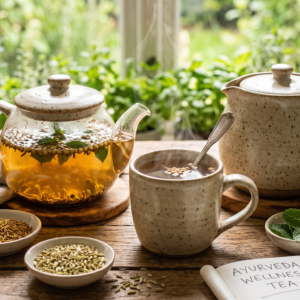
If you are new to Ayurvedic teas, there is no better place to start than CCF Tea—a timeless blend of Cumin, Coriander, and Fennel.
This trio is famously balanced, meaning it gently calms all three doshas (Vata, Pitta, and Kapha) without overstimulating your system. It is subtle, earthy, slightly sweet, and deeply soothing.
🌿 Ingredients (Makes 1 Main Pot)
- 1 tsp Whole Cumin Seeds (boosts digestion and nutrient absorption)
- 1 tsp Whole Coriander Seeds (cools excess body heat and supports kidney function)
- 1 tsp Whole Fennel Seeds (eases bloating and calms the nervous system)
- 4 cups Fresh filtered water
Optional Add-ins for Seasonal Variety:
- For Cold Mornings (Vata/Kapha): Add 2-3 slices of fresh ginger and a tiny piece of cinnamon stick.
- For Hot Afternoon Rest (Pitta): Add 2-3 fresh mint leaves or a pinch of organic rose petals.
🥣 Simple Step-by-Step Method
- Lightly Toast (Optional): Place the whole seeds in a small, dry saucepan over low heat for 30–60 seconds until they give off a gentle, aromatic scent. (Be careful not to burn them!)
- Simmer: Pour in the 4 cups of water and bring to a soft boil.
- Steep: Reduce the heat to low, cover the pan with a lid, and let it simmer gently for 10 to 12 minutes. You’ll notice the water taking on a soft golden hue.
- Strain & Enjoy: Pour through a fine mesh strainer into your favorite mug. Sip warm throughout the day.
3 Mindful Tips for Your Tea Ritual
- Sip Warm: Drink your Ayurvedic tea warm or at room temperature. Ice-cold beverages “extinguish” your digestive fire, making it harder for your body to process nutrients.
- Practice Mindful Eating/Drinking: Take 5 minutes away from screens. Hold the warm mug in your hands, inhale the herbal steam, and notice the earthy flavors.
- Listen to Your Body: Herbal teas are a conversation with your body. Pay attention to how your digestion and energy feel over the next few hours.
Bringing Longevity Home
Living a long, vibrant life isn’t about drastic changes overnight. It’s about cultivating small, daily acts of self-care. Swapping an extra afternoon espresso for a warm cup of spiced CCF tea is a beautiful way to honor your body’s natural rhythms.