-
Food of the Gods: Dark Cacao for Brain Flow, Heart Health, and Longevity
At DAYLONGLIFE, we believe that living a long, vibrant life should be deeply nourishing and delicious. Indulgence and longevity are not mutually exclusive—especially when you harness the pure power of dark cacao in The Longevity Kitchen.
Known botanically as Theobroma cacao (translating literally to “Food of the Gods”), unrefined cacao is one of the most chemically complex and antioxidant-dense plant foods on Earth. When prepared without refined sugars or heavy dairy, dark cacao turns from a sweet treat into a potent metabolic and cognitive shield.
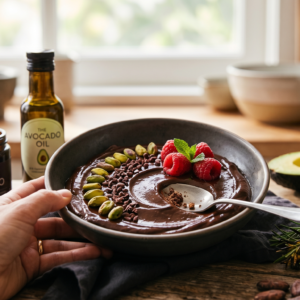
Today, we are sharing a nutrient-rich, velvety breakfast or afternoon bowl: The Silk Cacao & Avocado Longevity Mousse Bowl.
The Science of Dark Cacao for Cellular Longevity
When selecting chocolate for health benefits, quality matters: opt for raw cacao powder or dark chocolate with at least 85% cocoa content.
Here is how dark cacao supports your biological lifespan:
- Flavanols & Cerebrovascular Blood Flow: Cacao is exceptionally high in epicatechin, a monomeric flavanol that stimulates nitric oxide production in endothelial cells. This relaxes arterial walls, improves blood vessel flexibility, lowers blood pressure, and significantly increases blood flow to the brain’s memory centers.
- Mitochondrial Protection: The high polyphenol density in pure cacao neutralizes free radicals in high-energy organs (like the heart and brain), safeguarding cellular mitochondria from oxidative degradation and premature aging.
- Mood & Neurotransmitter Boost: Cacao contains natural theobromine (a gentle, non-jittery stimulant), anandamide (often called the “bliss molecule”), and precursor compounds that support serotonin and dopamine synthesis for calm, sustained focus.
- Rich Source of Essential Minerals: Just two tablespoons of raw cacao provide a substantial dose of magnesium (for muscle relaxation and nervous system balance), iron, zinc, and copper.
Simple Recipe: Silk Cacao & Avocado Longevity Mousse Bowl
This decadent, spoonable smoothie bowl combines raw cacao with healthy monounsaturated fats from avocado and anti-inflammatory cinnamon. It takes under 5 minutes to blend, delivering a low-glycemic, deeply satisfying treat that won’t cause energy crashes.
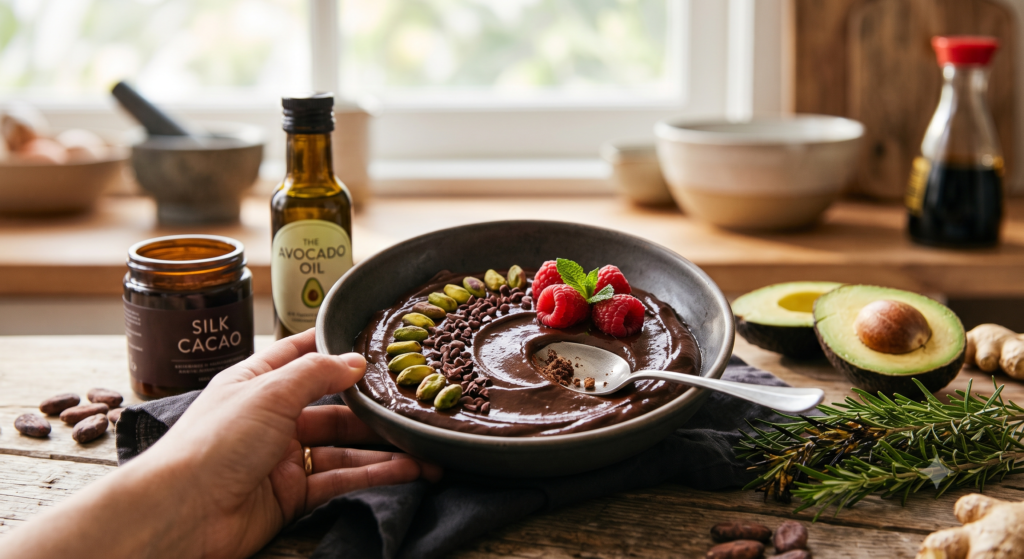
🌿 Ingredients (Serves 2)
- 3 tbsp Organic raw cacao powder (or unsweetened dark cocoa powder)
- 1/2 Ripe avocado (provides a rich, velvety texture and healthy fats)
- 1/2 cup Unsweetened almond milk, coconut milk, or hemp milk
- 1 scoop Unflavored or vanilla plant-based collagen or protein powder (optional)
- 1 tsp Ceylon cinnamon (supports blood sugar control)
- 1 tbsp Pure maple syrup, 2 pitted Medjool dates, or a few drops of liquid stevia (to taste)
- 1 pinch Fine sea salt or pink Himalayan salt (enhances chocolate flavor)
- Toppings: Fresh wild blueberries, toasted coconut flakes, hemp seeds, or raw cacao nibs
🥣 Step-by-Step Instructions
1.Combine the Ingredients:
Add the raw cacao powder, ripe avocado, plant milk, Ceylon cinnamon, sweetener of choice, sea salt, and optional protein powder into a high-speed blender.
2.Blend Until Silky:
Blend on high speed for 45 to 60 seconds, stopping to scrape down the sides if necessary, until the mixture transforms into a thick, glossy, pudding-like consistency.
3.Assemble & Serve:
Spoon the cacao mousse into two chilled ceramic bowls. Top with fresh berries (anthocyanin synergy!), hemp seeds, and a sprinkle of raw cacao nibs for texture. Serve immediately with a spoon.
Longevity Tip: Cacao vs. Cocoa—What’s the Difference?
- Raw Cacao: Made by cold-pressing unroasted cacao beans. It retains the highest concentration of heat-sensitive enzymes, living antioxidants, and minerals.
- Dutch-Processed Cocoa: Treated with an alkalizing agent to reduce acidity. While smoother in flavor, Dutch processing can reduce beneficial flavanol content by up to 60–90%. Always look for raw cacao or non-alkalized cocoa powder on product labels!
-
Golden Hour Elixir: The Cellular Longevity & Hydration Benefits of Grapefruit
At DAYLONGLIFE, we treat every beverage served in The Longevity Kitchen as an opportunity to deliver biological nourishment. While ultra-processed sodas and sugary juices cause rapid blood sugar spikes and systemic inflammation, a carefully crafted botanical elixir can stimulate liver detoxification pathways, enhance vascular flexibility, and revitalize cellular health.
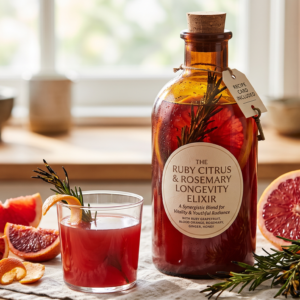
Today, we are showcasing the power of fresh ruby red grapefruit with a crisp, botanical mocktail: The Ruby Citrus & Rosemary Longevity Elixir.
The Science of Grapefruit for Longevity
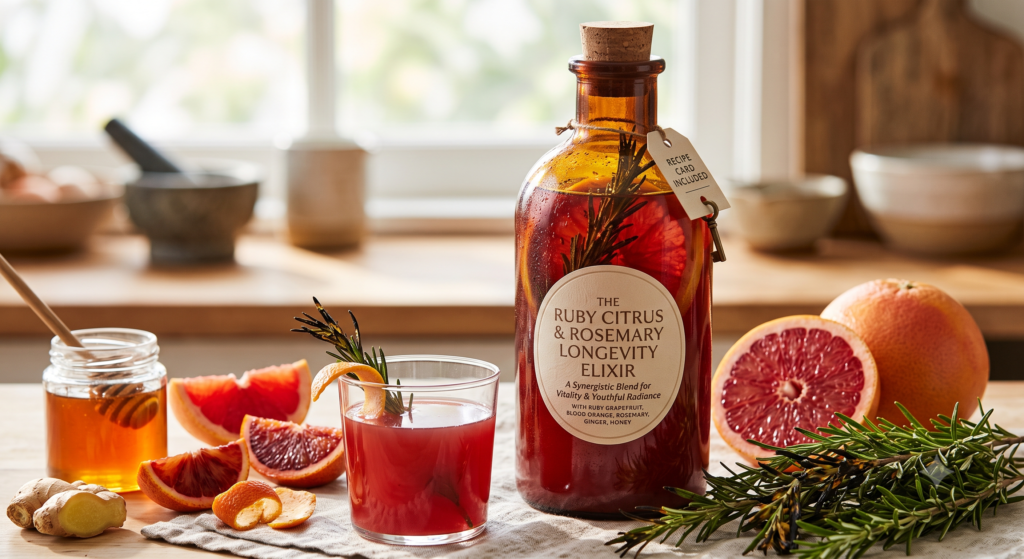
Bright, aromatic, and pleasantly tart, grapefruit is packed with bioactive plant compounds that support metabolic health and cardiovascular protection:
- Spermidine & Autophagy: Grapefruit contains spermidine, a naturally occurring polyamine compound researched in longevity science for its ability to trigger autophagy—the body’s internal cellular cleanup process that recycles damaged organelles and protein waste.
- Naringenin & Metabolic Balance: The characteristic bitter flavor of grapefruit comes from naringenin, a powerful citrus flavonoid. Naringenin enhances insulin sensitivity, encourages fatty acid oxidation in the liver, and helps maintain balanced blood glucose levels.
- Vascular Health (Vitamin C & Lycopene): Ruby red varieties derive their rich color from lycopene, an antioxidant that protects arterial walls from oxidative damage, paired with high concentrations of Vitamin C for collagen synthesis and endothelial health.
Simple Recipe: The Ruby Citrus & Rosemary Longevity Elixir
This refreshing, low-glycemic drink combines cold-pressed grapefruit juice with anti-inflammatory rosemary, raw apple cider vinegar, and sparkling water for a clean afternoon pick-me-up.
🌿 Ingredients (Serves 2)
- 1 cup Freshly squeezed ruby red grapefruit juice (about 1 large grapefruit)
- 1 tbsp Organic, unfiltered apple cider vinegar (with “the mother”)
- 1 sprig Fresh organic rosemary (plus extra for garnish)
- 1/2 tsp Freshly grated ginger juice or fine ginger paste
- 1 cup Chilled sparkling water or mineral water
- 1 tsp Raw honey or pure liquid stevia (optional, to balance tartness)
- Ice cubes and fresh grapefruit slices for serving
🥣 Step-by-Step Instructions
- Muddle the Aromatics: In a glass cocktail shaker or liquid measuring pitcher, add the fresh rosemary sprig, raw honey (if using), and grated ginger. Gently muddle with a wooden spoon for 15 to 20 seconds to release the aromatic essential oils from the rosemary.
- Combine the Bases: Pour in the fresh ruby red grapefruit juice and apple cider vinegar. Stir briskly so the honey dissolves into the citrus base.
- Strain & Chill: Fill two tall glasses with fresh ice cubes. Strain the grapefruit mixture evenly into both glasses.
- Top & Garnish: Top each glass with chilled sparkling mineral water. Stir gently with a long spoon to combine, then garnish with a fresh sprig of rosemary and a thin slice of ruby red grapefruit.
⚠️ Important Longevity Note: Grapefruit & Medications
Grapefruit contains natural compounds called furanocoumarins, which temporarily inhibit the CYP3A4 enzyme in the small intestine. This enzyme breaks down many common prescription medications (including certain statins, blood pressure drugs, and antihistamines), causing higher absorption levels in the bloodstream.
Safety Check: If you take daily prescription medications, always check with your healthcare provider or pharmacist before introducing fresh grapefruit or grapefruit juice into your regular diet!
-
The Fungal Shield: Warm Sesame-Ginger Shiitake & Oyster Mushroom Sauté
At DAYLONGLIFE, we view medicinal mushrooms as nature’s ultimate bridge between The Longevity Kitchen and cellular immunity.
Long celebrated in Eastern medicine and now backed by modern nutritional science, culinary mushrooms contain unique bioactive compounds that support gut health, lower systemic inflammation, and protect cognitive function.
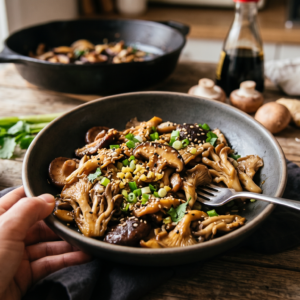
Today, we are showcasing mushrooms with a simple, intensely flavorful, 10-minute recipe: Warm Sesame-Ginger Shiitake & Oyster Mushroom Sauté.
The Longevity & Immune Benefits of Culinary Mushrooms
Including a variety of cultivated mushrooms—like Shiitake, Oyster, Maitake, and Cremini—in your weekly meals provides powerful longevity support:
- Immune Modulation (Beta-Glucans): Mushrooms are rich in beta-glucans, complex polysaccharides that train and prime immune cells (like macrophages and natural killer cells) without overstimulating the system.
- Ergothioneine (The Longevity Antioxidant): Mushrooms are the single highest dietary source of ergothioneine, a unique amino acid antioxidant that accumulates in cellular areas under high oxidative stress (such as the liver, eyes, and brain) to shield DNA and mitochondria.
- Gut Microbiome Support: Mushroom cell walls contain chitin and prebiotic fibers that nourish beneficial gut bacteria, promoting short-chain fatty acid (SCFA) production for lower gut inflammation.
- Cognitive Defense: Compounds in mushrooms stimulate nerve growth factor (NGF) pathways, helping preserve synaptic connections and keep your focus sharp.
Culinary Secret: Dry-Searing for Maximum Flavor & Texture
Many people end up with soggy or rubbery mushrooms because they crowd the pan with cold oil too early.
To achieve a rich, caramelized, umbrella-like sear:
- Dry-sear first: Cook mushrooms in a hot, dry pan with a pinch of sea salt for 2–3 minutes to release their natural moisture.
- Add healthy fats after: Once the water evaporates and the edges turn golden, add your oil (like extra virgin olive oil or toasted sesame oil) and aromatics. This locks in flavor and creates an incredible texture.
Simple Recipe: Warm Sesame-Ginger Shiitake & Oyster Mushroom Sauté
This quick dish pairs earthy, aromatic mushrooms with anti-inflammatory ginger and garlic for a deeply satisfying side dish or grain-bowl topping.
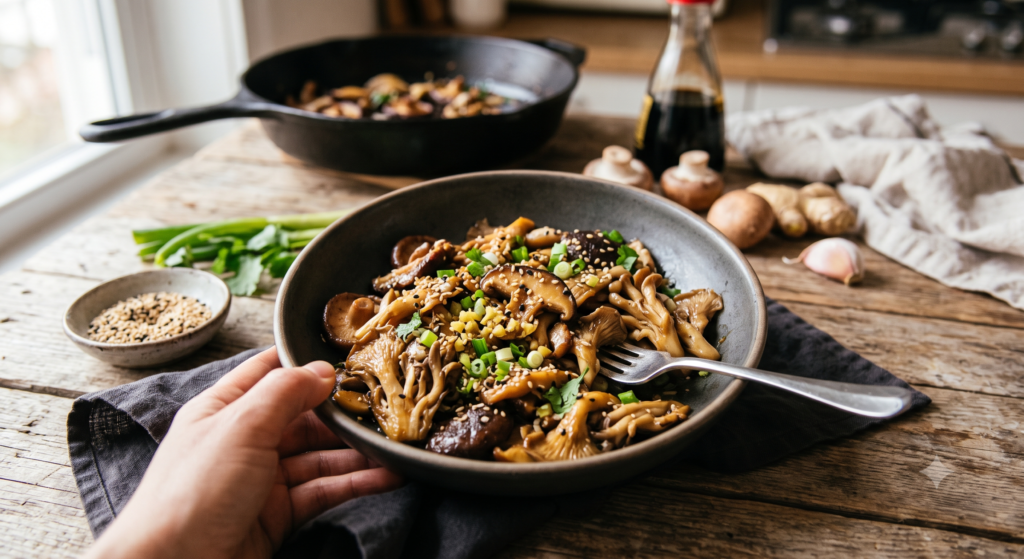
🌿 Ingredients (Serves 2–3)
- 8 oz (225g) Mixed fresh Shiitake and Oyster mushrooms (wiped clean, stems trimmed, sliced)
- 1 tbsp High-quality toasted sesame oil (or extra virgin olive oil)
- 1 tbsp Fresh ginger, finely grated
- 2 cloves Garlic, thinly sliced
- 1 tbsp Tamari (gluten-free soy sauce) or coconut aminos
- 1 tbsp Fresh lemon juice or rice vinegar
- 2 Green onions (scallions), finely chopped
- 1 tbsp Toasted white or black sesame seeds
- Sea salt and freshly cracked black pepper to taste
🥣 Step-by-Step Instructions
- Dry-Sear the Mushrooms: Heat a wide stainless steel or cast-iron skillet over medium-high heat. Add the sliced mushrooms in a single layer without adding any oil. Let them sear undisturbed for 2 to 3 minutes until the bottoms turn golden brown.
- Add Healthy Fats & Aromatics: Turn the heat down to medium. Drizzle in the toasted sesame oil, then add the grated ginger and sliced garlic. Toss gently for 1 to 2 minutes until fragrant.
- Glaze & Deglaze: Pour in the tamari (or coconut aminos) and fresh lemon juice. Stir rapidly for 30 to 45 seconds so the mushrooms absorb the savory glaze and the pan clears.
- Garnish & Serve: Remove from heat immediately. Fold in the green onions, sprinkle with toasted sesame seeds, and season with cracked black pepper. Serve warm over steamed quinoa, brown rice, or as a savory side.
Longevity Tip: Expose Your Mushrooms to Sunlight!
Here is a fascinating longevity hack: mushrooms contain ergosterol, a precursor to Vitamin D. If you place fresh mushrooms stem-side up under direct sunlight for 15 to 30 minutes before cooking, their Vitamin D2 content increases dramatically!
-
Hydration & Rejuvenation: Chilled Sesame-Cucumber Salad with Fresh Herbs
At DAYLONGLIFE, we often look to nature’s simplest ingredients to unlock everyday vitality. While cucumbers are often thought of as a humble salad staple, incorporating this water-dense, antioxidant-rich botanical into your weekly routine provides profound cellular hydration, skin elasticity, and digestive support.
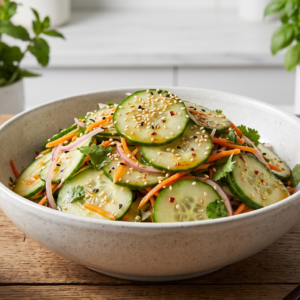
Today, we are highlighting cucumbers as a star ingredient in The Longevity Kitchen with an Asian-inspired, deeply refreshing recipe: Chilled Sesame-Cucumber Salad with Fresh Herbs & Toasted Seeds.
Why Cucumbers are a Longevity Essential
Cucumbers deliver far more than a satisfying crunch. When enjoyed raw with their nutrient-rich skin intact, their wellness benefits shine:
- Cellular Hydration & Fluid Balance: Made of over 95% structured cellular water, cucumbers hydrate at a deep tissue level while supplying essential electrolytes like potassium and magnesium to support blood pressure regulation.
- Silica & Skin Health: Abundant in silica (silicon dioxide), cucumbers foster collagen production, strengthen connective tissues, and preserve skin elasticity and joint flexibility.
- Fisetin & Cellular Renewal: Cucumbers contain fisetin, a powerful senolytic flavonol researched for its ability to clear aged cells, reduce neuroinflammation, and support cognitive health.
- Gut Soothing & Digestion: Mild and cooling, cucumbers soothe the digestive tract (Agni), reduce internal heat, and provide soluble fiber (pectin) to feed beneficial gut flora.
Simple Recipe: Chilled Sesame-Cucumber Salad
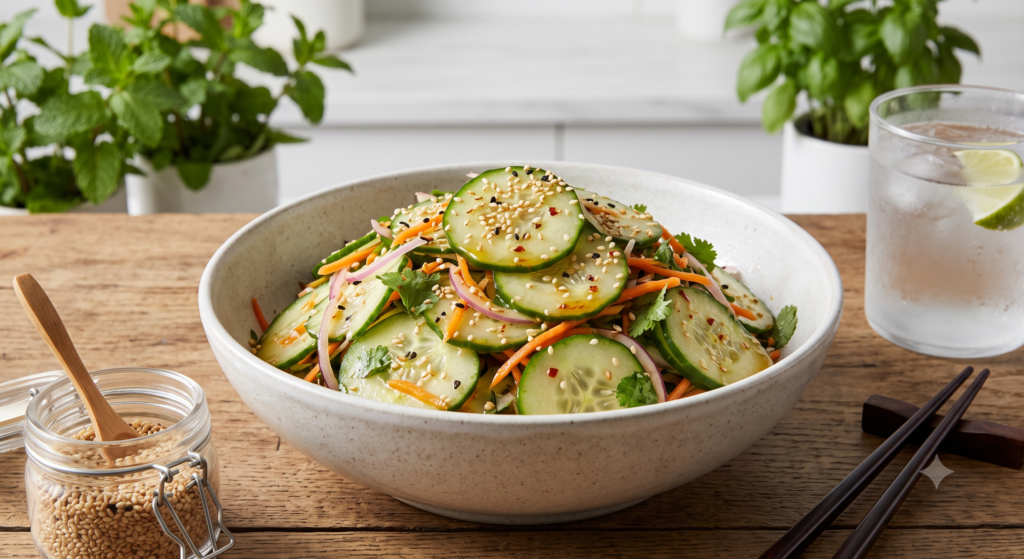
This crisp, vibrant dish balances cool, hydrating cucumbers with warm, anti-inflammatory sesame oil and ginger. It takes under 10 minutes to prepare and serves as a perfect side dish for any summer meal.
🌿 Ingredients (Serves 2–3)
- 2 large Organic Persian or English cucumbers (washed, partially peeled in ribbons)
- 1 tbsp Pure toasted sesame oil
- 1 tbsp Unfiltered apple cider vinegar or rice vinegar
- 1 tsp Freshly grated ginger
- 1 small clove Garlic, finely minced
- 1 tbsp Raw sesame seeds (black or white), toasted
- 1/2 cup Fresh cilantro or mint leaves, roughly chopped
- A generous pinch of sea salt and freshly cracked black pepper
- Optional: A light pinch of red chili flakes or a drizzle of raw honey
🥣 Step-by-Step Instructions
- Smash & Slice the Cucumbers: Place the cucumbers on a cutting board. Using the flat side of a chef’s knife, gently smash them down until they crack open. (Smashing breaks open the cellular walls, allowing the dressing to penetrate deep into the flavor pockets!) Slice diagonally into bite-sized chunks.
- Whisk the Dressing: In a small bowl, whisk together the toasted sesame oil, apple cider vinegar, grated ginger, minced garlic, sea salt, and black pepper.
- Toss & Marinate: Transfer the smashed cucumber chunks into a medium bowl. Pour the sesame-ginger dressing over top and toss well. Let it sit for 5 minutes at room temperature (or chill in the fridge) so the flavors absorb.
- Garnish & Serve: Fold in the fresh cilantro (or mint) and sprinkle generously with toasted sesame seeds. Serve chilled and enjoy!
Longevity Tip: Keep the Peel On!
The dark green skin of the cucumber contains the highest concentration of silica, fiber, and Vitamin K. Always opt for organic cucumbers when possible, scrub them clean, and leave most of the peel intact to capture every bit of their nutrient power!
-
The Daily Reset: How Gentle Stretching Protects Mobility, Posture, and Vitality
At DAYLONGLIFE, we believe that true longevity isn’t just about adding years to your life—it is about keeping your body fluid, pain-free, and full of energy every single day.
In a world dominated by long hours of sitting, staring at screens, and repetitive posture, our muscles and connective tissues (fascia) naturally tighten. Over time, this chronic tightness leads to poor posture, joint stiffness, shallow breathing, and reduced circulation.
Integrating a short, intentional daily stretching ritual into your routine is one of the most effective, accessible ways to unwind physical stress, protect joint mobility, and keep your body moving gracefully through the decades.
The Biological & Longevity Benefits of Daily Stretching
Stretching does far more than lengthen muscles. It acts as a biological signal that restores balance across your entire system:
- Circulation & Fascial Health: Stretching gently pulls on fascia—the web of connective tissue surrounding your muscles and organs—stimulating blood flow, delivering oxygen, and hydrating tissues to maintain flexibility.
- Vagal Nerve Stimulation & Stress Relief: Slow, deep stretching paired with intentional breathing activates the parasympathetic nervous system (“rest and digest”). This lowers cortisol, drops your heart rate, and signals to your brain that you are safe.
- Joint & Spine Longevity: By maintaining range of motion in your hips, spine, and shoulders, daily stretching distributes physical load evenly, preventing wear and tear on cartilage and protecting against lower back pain.
4 Essential Daily Stretches for Whole-Body Vitality
You don’t need an hour-long yoga class to experience the benefits of stretching. Spending just 5 to 10 minutes on these four foundational movements will reset your posture and ease daily tension:
1. The Cat-Cow Flow (Spinal Mobility)
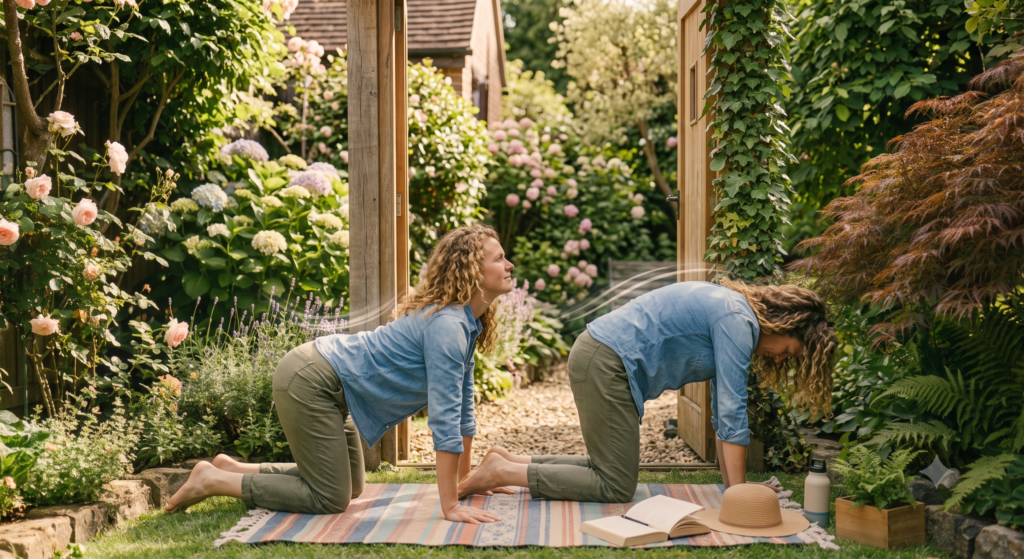
- Target Area: Entire spine, chest, and neck.
- How to do it: Start on all fours with hands under shoulders and knees under hips. On an inhale, arch your back gently, lifting your chest and tailbone toward the sky (Cow). On an exhale, round your spine, tucking your chin toward your chest (Cat). Repeat rhythmically for 8–10 slow breaths.
- Why it matters: Lubricates the spinal discs and relieves upper back and neck tension caused by screen time.
2. Low Lunge with Hip Opener (Releasing Sitting Tension)
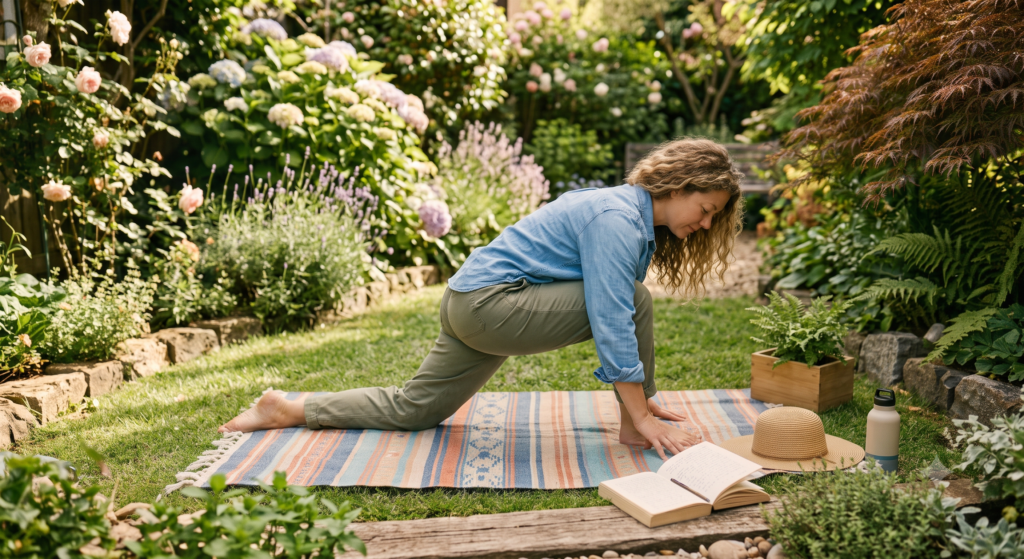
- Target Area: Hip flexors, psoas, and quads.
- How to do it: Step your right foot forward into a lunge, dropping your left knee to the floor (use a folded towel for padding if needed). Gently shift your hips forward until you feel a comfortable stretch in the front of your left hip. Keep your torso tall and hold for 30–45 seconds per side, breathing deeply.
- Why it matters: Tight hip flexors from prolonged sitting pull on the lower back, causing anterior pelvic tilt and lower back discomfort.
3. Doorway Chest & Shoulder Opener (Posture Correction)

- Target Area: Pectoral muscles, front shoulders, and chest.
- How to do it: Stand in an open doorway. Bend your elbows at a 90-degree angle and place your forearms against the doorframe. Step one foot forward gently until you feel a subtle, restorative opening across your chest and shoulders. Hold for 30–45 seconds.
- Why it matters: Counteracts the rounded-shoulder posture (“tech neck”) that compresses the lungs and limits full diaphragmatic breathing.
4. Legs-Up-the-Wall Pose (Viparita Karani) (Nervous System & Venous Reset)

- Target Area: Hamstrings, lower back, and circulatory system.
- How to do it: Sit close to a clear wall, swing your legs up against the wall, and lie flat on your back with your arms resting gently by your sides. Close your eyes and focus on slow, belly-filling exhales for 3 to 5 minutes.
- Why it matters: A classic restorative pose in both modern physical therapy and traditional yoga. It promotes lymphatic drainage, eases heavy legs, and deeply calms the nervous system before sleep.
3 Simple Rules for Safe, Mindful Stretching
- Never Force a Stretch: Stretch to the point of gentle tension, never sharp pain. Your body should feel like it is surrendering into the movement, not fighting it.
- Breathe Into the Resistance: Inhale to create space; exhale to melt deeper into the hold. Deep, slow breathing signals your muscles to relax their protective reflexes.
- Consistency Over Intensity: Five minutes of daily, gentle movement is far more effective for long-term mobility than a single intense session once a week.
Unwind Your Body, Ease Your Mind
Stretching is a quiet act of self-care—a physical reminder to pause, check in with your body, and release whatever tension you have been holding throughout the day.
Whether you practice these stretches right after waking up to invite morning energy or before bed to prepare for restorative sleep, your body will thank you for the extra care.
What area of your body holds the most tension during the workday—your shoulders, lower back, or hips? What is your favorite daily stretch? Share your thoughts in the comments below!
-
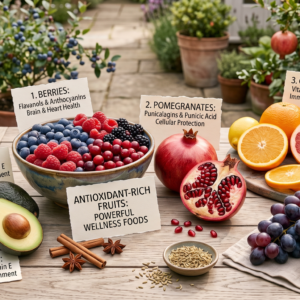
The Ageless Mind: 5 Antioxidant-Rich Fruits That Protect Memory and Brain Power
At DAYLONGLIFE, we view the kitchen as the ultimate sanctuary for long-term health. When The Longevity Kitchen aligns with the Ageless Mind, every meal becomes an opportunity to nourish your nervous system and shield your cognitive vitality.
Your brain is constantly working, consuming around 20% of your body’s daily oxygen and energy. This intense metabolic activity leaves neural tissue particularly susceptible to oxidative stress—a biological imbalance where free radicals damage delicate brain cell membranes, slow down neural communication, and contribute to cognitive decline.
Nature’s sweetest defense against this process comes in the form of antioxidant-dense fruits. Packed with colorful polyphenols, flavonoids, and essential vitamins, these vibrant fruits cross the blood-brain barrier to calm neuroinflammation, support neuroplasticity, and keep your memory sharp.
5 Superior Brain-Boosting Fruits for Cognitive Longevity
Including a variety of deeply pigmented whole fruits in your daily routine provides a steady stream of protective compounds for your brain cells.
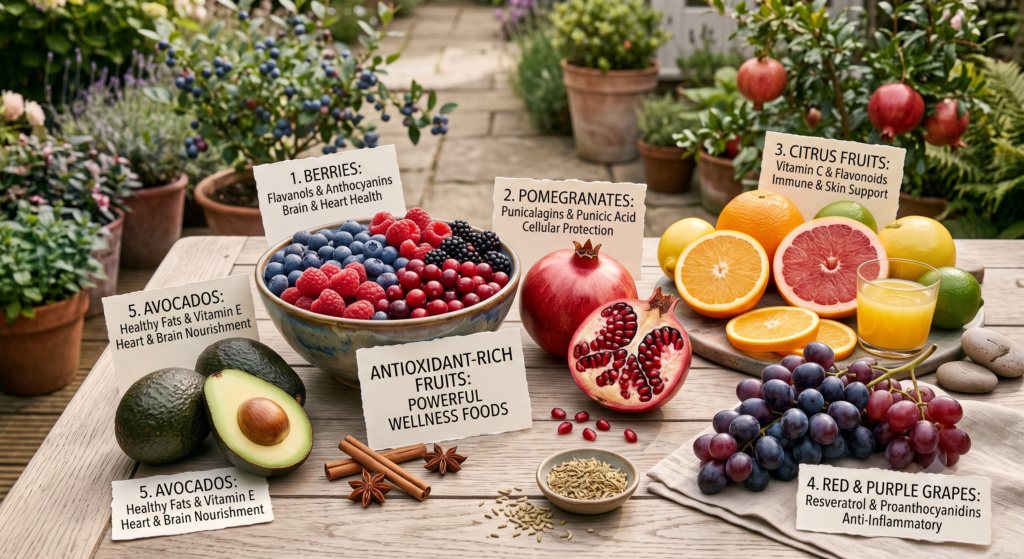
1. Wild Blueberries & Blackberries (The Flavonoid Powerhouses)
Dark berries are consistently celebrated as top-tier brain foods in longevity science.
- The Science: Deep blue and purple berries are rich in anthocyanins, potent flavonoid antioxidants that cross the blood-brain barrier.
- Cognitive Benefit: Anthocyanins accumulate in brain regions responsible for learning and memory (such as the hippocampus). They stimulate brain cell communication, enhance short-term memory recall, and protect against age-related neurodegeneration.
- How to Enjoy: Add a half-cup of fresh or frozen wild blueberries to warm morning oatmeal or enjoy them as a refreshing midday snack.
2. Pomegranates (Cellular Energy & Urolithin A)
Pomegranates have been revered across ancient Mediterranean and Asian cultures for centuries as symbols of life and longevity.
- The Science: Pomegranates are loaded with punicalagins and ellagitannins—unique polyphenols that gut bacteria convert into a compound called Urolithin A.
- Cognitive Benefit: Urolithin A triggers mitophagy, the natural cellular cleanup process that clears damaged mitochondria from brain cells, restoring cellular energy production and fighting mental fatigue.
- How to Enjoy: Sprinkle fresh ruby-red pomegranate seeds over leafy green salads or enjoy a small glass of pure, unsweetened pomegranate juice.
3. Oranges & Citrus Fruits (Hesperidin & Vitamin C)
Bright citrus fruits offer far more than simple immunity support—they are vital for cerebrovascular health.
- The Science: Oranges, lemons, and grapefruits contain high concentrations of Vitamin C along with a powerful citrus bioflavonoid called hesperidin.
- Cognitive Benefit: Hesperidin improves cerebral blood flow, delivering oxygen and glucose efficiently to brain tissue. Vitamin C acts as a primary antioxidant in the brain, neutralizing free radicals before they damage neural membranes.
- How to Enjoy: Eat whole organic oranges to retain their beneficial prebiotic fiber, or grate fresh organic orange zest over cooked grains and salads to capture concentrated citrus essential oils.
4. Red & Purple Grapes (Resveratrol Shield)
The deep skins of dark grapes hold one of the most thoroughly researched longevity molecules in modern science.
- The Science: Purple and red grape skins are abundant in resveratrol, a natural polyphenol that activates sirtuins (genes linked to cellular repair and longevity).
- Cognitive Benefit: Resveratrol promotes healthy circulation in the brain, supports synaptic plasticity, and shields neural connections from oxidative stress and inflammatory damage.
- How to Enjoy: Keep a bowl of chilled organic Concord or red grapes on your kitchen counter for a clean, sweet afternoon treat.
5. Avocados (Monounsaturated Fats & Lutein)
While often treated as a vegetable in cooking, the avocado is botanically a fruit—and a singular power food for the mind.
- The Science: Avocados combine healthy monounsaturated fatty acids with lutein, a fat-soluble carotenoid antioxidant that accumulates in brain tissue.
- Cognitive Benefit: The monounsaturated fats lower blood pressure and ensure smooth blood flow to the brain, while lutein enhances processing speed, working memory, and spatial focus.
- How to Enjoy: Slice fresh avocado over warm whole-grain toast, mash it into light dressings with lemon juice and olive oil, or pair it with sliced tomatoes and sea salt.
3 Simple Rules for Maximizing Fruit Antioxidants
- Eat the Whole Fruit: Always prefer whole fruits over filtered commercial juices. The natural fiber slows sugar absorption, preventing insulin spikes that cause brain fog.
- Choose Deep, Rich Colors: The higher the color intensity (deep blues, dark purples, vibrant reds), the higher the antioxidant concentration.
- Pair with Healthy Fats or Spices: Enjoying fruits alongside healthy fats (like a handful of walnuts or seeds) or warming spices (like Ceylon cinnamon) enhances the absorption of fat-soluble antioxidants and keeps blood sugar completely steady.
A Sweet Investment in Mental Clarity
Protecting your ageless mind doesn’t require complex interventions—it begins with simple, colorful choices at your table. By adding a handful of antioxidant-rich fruits to your daily routine, you provide your brain with the precise biological armor it needs to stay clear, vibrant, and resilient for life.
What is your favorite brain-boosting fruit to enjoy during the day? Do you prefer fresh berries in the morning or pomegranate seeds on your afternoon salads? Share your ideas in the comments below!
-
Solar Vitality: The Science & Ritual of Mindful Sunbathing for Longevity
At DAYLONGLIFE, we believe that true longevity isn’t found only in what we eat or drink, but in how we align our bodies with the natural forces around us. Chief among these is light.
Long before modern supplements existed, traditional cultures revered the sun as a primary source of vitality, healing, and balance. In today’s indoor-centric world, intentional, mindful sunbathing—getting safe, natural sunlight exposure—is one of the most effective, free habits you can adopt for overall wellness.
Here is how light shapes human biology, and how you can harness the sun safely to support sleep, mood, immunity, and cellular health.
The Health Science Behind Natural Sunlight
Sunlight is far more than visible light; it is a complex spectrum of electromagnetic radiation, including ultraviolet (UV) and infrared light, that triggers critical chemical reactions in the body:
- Circadian Rhythm & Sleep Quality: Morning sunlight hitting the photoreceptors in your eyes signals your brain’s master clock (the suprachiasmatic nucleus) to stop melatonin production and boost morning cortisol. This sets an internal timer, ensuring robust melatonin synthesis 12 to 14 hours later for deep, restorative sleep.
- Vitamin D & Immune Resilience: Sunlight exposure (specifically UVB rays) triggers the synthesis of Vitamin D3 in the skin. Vitamin D acts like a hormone, regulating bone density, calcium absorption, immune defense, and cardiovascular function.
- Nitric Oxide & Heart Health: Sunlight stimulates the release of nitric oxide from skin storage into the bloodstream, dilating blood vessels, lowering blood pressure, and supporting vascular health.
- Serotonin & Mental Clarity: Sun exposure stimulates serotonin production in the brain, improving mood, reducing anxiety, and creating a sense of calm focus.
4 Principles for Safe & Mindful Sunbathing

To gain maximum vitality from the sun without risking skin damage or accelerated photoaging, mindfulness and timing are key.
1. The Morning Light Anchor (No Sunglasses, No Glass)
- The Ritual: Within 30 to 60 minutes of waking, step outside for 10 to 15 minutes. Look toward the morning sky (never directly at the sun) without wearing sunglasses, glasses, or looking through a window.
- Why It Matters: Windows block essential wavelengths (like infrared and specific UV spectrums). Unfiltered morning light anchors your biological clock, clears brain fog, and prepares your nervous system for the day ahead.
2. Gentle Skin Exposure (Mid-Morning to Midday)
- The Ritual: Expose large areas of skin (arms, legs, torso) to natural sunlight for 10 to 20 minutes, depending on your skin sensitivity, climate, and time of year.
- Why It Matters: Short, un-sunscreened exposure allows your skin to synthesize natural Vitamin D efficiently. Once your short exposure window ends, apply a clean, non-toxic mineral sunscreen (zinc oxide) or seek shade to prevent redness or sunburn.
3. Practice Infrared Grounding in Late Afternoon
- The Ritual: As the sun sets, the light spectrum shifts toward near-infrared wavelengths. Spend 15 minutes sitting outdoors during the golden hour.
- Why It Matters: Near-infrared light penetrates deep into muscle tissue and mitochondria, stimulating cellular repair (ATP production) and soothing systemic inflammation without the burning risk of intense UV rays.
4. Hydrate and Nourish Your Skin from Within
- The Ritual: Sip warm water or antioxidant-rich herbal teas after sun exposure, and nourish your skin internally with healthy fats (like extra virgin olive oil and wild salmon) rich in polyphenols and omega-3s.
- Why It Matters: Internal antioxidants enhance your skin’s natural resilience to light, while proper hydration maintains skin elasticity and moisture balance.
Solar Energy as Everyday Medicine
Sunlight is a fundamental nutrient that modern life often starves us of. Stepping outside to feel warm rays on your skin isn’t just a pleasant break—it is a vital biological reset.
Tomorrow morning, take your warm water or tea outside, pause for a few quiet minutes in the sunlight, and welcome the day’s vitality.
Do you have a morning outdoor routine? How does stepping into natural sunlight change your energy levels during the day? Share your experiences in the comments below!
-
Golden Spice: How Cinnamon Warmly Nourishes Your Metabolism and Mind
At DAYLONGLIFE, we love highlighting everyday culinary ingredients that effortlessly turn simple meals into restorative remedies. Sitting right inside your spice rack is one of the most ancient, revered powerhouses in natural medicine: cinnamon.
In traditional Ayurvedic practices, Mediterranean cooking, and modern longevity science, cinnamon is celebrated not just as a cozy autumnal spice, but as an active metabolic protectant. It adds a natural, comforting sweetness without spiking blood sugar, making it an essential staple in The Longevity Kitchen.
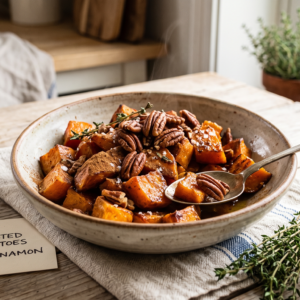
Today, we are exploring the health secrets of true cinnamon and sharing a simple, anti-inflammatory recipe: Warm Roasted Sweet Potatoes with Ceylon Cinnamon & Toasted Pecans.
Why Cinnamon is a Longevity Powerhouse
Cinnamon has been traded across continents for thousands of years, cherished for its medicinal value long before it became a kitchen favorite. When enjoyed daily, its longevity benefits are profound:
- Blood Sugar & Insulin Sensitivity: Cinnamon is famously rich in active polyphenols that mimic insulin and improve cellular glucose uptake. Adding cinnamon to meals helps flatten blood sugar spikes, protecting arteries and slowing metabolic aging.
- Potent Anti-Inflammatory Compounds: Packed with cinnamaldehyde and antioxidant flavonoids, cinnamon neutralizes cellular free radicals, soothing systemic inflammation and supporting joint health.
- Gut Health & Digestion: Cinnamon acts as a natural carminative—it warms the digestive fire (Agni), relieves bloating, and supports the growth of healthy gut microbiota.
Ceylon vs. Cassia: Choosing the Right Cinnamon
When cooking for longevity, the type of cinnamon matters:
- Ceylon Cinnamon (“True Cinnamon”): Native to Sri Lanka, Ceylon cinnamon has a subtle, sweet, delicate flavor and low levels of coumarin (a compound that can burden the liver in high doses). This is the gold standard for daily, long-term wellness use.
- Cassia Cinnamon: The common variety found in most grocery stores. It is darker, stronger, and spicy-sweet, but contains higher coumarin levels. Enjoy it occasionally, but opt for organic Ceylon for your everyday longevity habits.
Simple Recipe: Warm Roasted Sweet Potatoes with Ceylon Cinnamon & Pecans
This grounding side dish pairs complex, gut-loving carbohydrates with healthy fats and warming spices to deliver sustained, steady energy.
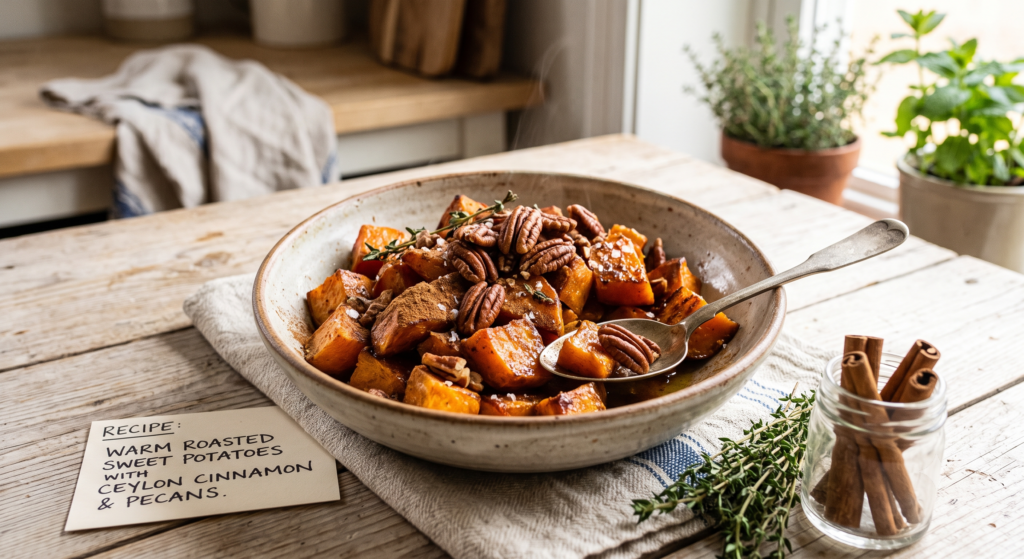
🌿 Ingredients (Serves 4)
- 2 large Organic sweet potatoes or Japanese purple yams (scrubbed clean and cut into 3/4-inch cubes)
- 2 tbsp Extra virgin olive oil or melted ghee
- 1.5 tsp Organic Ceylon cinnamon
- 1/2 tsp Ground ginger
- 1/4 tsp Sea salt
- 1/3 cup Raw pecans, roughly chopped
- Optional: A drizzle of raw honey or a pinch of fresh thyme for serving
🥣 Step-by-Step Instructions
- Prep & Preheat: Preheat your oven to 400°F (200°C). Line a large baking sheet with parchment paper.
- Spice & Coat: In a large bowl, toss the sweet potato cubes with olive oil (or ghee), Ceylon cinnamon, ground ginger, and sea salt until every piece is evenly coated.
- Roast: Spread the sweet potatoes in a single layer on the baking sheet. Roast for 25 minutes, tossing once halfway through.
- Add Pecans: Scatter the chopped pecans over the sweet potatoes and roast for an additional 5 minutes until the nuts are fragrant and the potatoes are fork-tender with caramelized edges.
- Serve: Transfer to a warm platter. Garnish with a light pinch of extra cinnamon or fresh thyme leaves, and enjoy warm!
Longevity Tip: The Daily Cinnamon Habit
You don’t need large amounts to experience cinnamon’s benefits—just 1/2 to 1 teaspoon a day is enough to support healthy blood sugar balance. Stir it into your morning warm oatmeal, whisk it into herbal teas, or sprinkle it over roasted root vegetables and squash for an effortless daily boost.
How do you like to use cinnamon in your kitchen? Do you prefer it in warm morning drinks or savory roasted dishes? Share your ideas in the comments below!
-
Citrus Vitality: Roasted Salmon with Citrus Glaze & Fennel Salad
At DAYLONGLIFE, we love turning everyday kitchen staples into vibrant remedies for longevity. Among nature’s brightest gifts, oranges stand out as a premier superfood.
While many enjoy oranges merely as a quick breakfast snack or a glass of morning juice, incorporating whole citrus into cooked, anti-inflammatory meals unlocks incredible cellular and cardiovascular benefits.
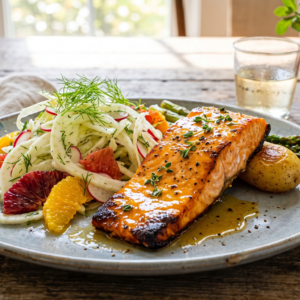
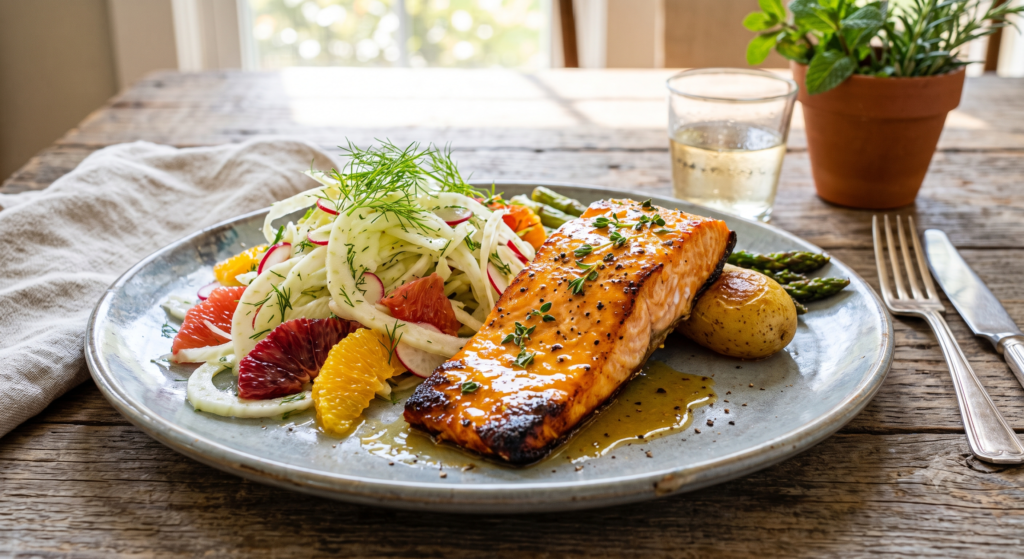
Today, we are showcasing whole oranges as a star ingredient in The Longevity Kitchen with a Mediterranean-inspired recipe: Pan-Seared Salmon with Citrus Glaze & Fresh Orange-Fennel Salad.
Why Oranges are a Longevity Powerhouse
Oranges offer far more than just a sweet, refreshing burst of flavor. When consumed as whole fruit or fresh zest and juice, their longevity benefits shine:
- Cellular Defense (Vitamin C & Hesperidin): Packed with Vitamin C, oranges shield cells from oxidative stress and support collagen synthesis for healthy skin and flexible joints. They also contain hesperidin, a citrus bioflavonoid that helps lower blood pressure and protect blood vessel walls.
- Heart & Vascular Health: The soluble fiber (pectin) found in oranges supports healthy cholesterol levels, while potassium regulates fluid balance and heart rhythm.
- Enhanced Nutrient Absorption: The natural citric acid and Vitamin C in oranges boost your body’s ability to absorb iron from greens, legumes, and seeds, driving energy and cellular oxygenation.
Simple Recipe: Roasted Salmon with Citrus Glaze & Fennel Salad
This light, elegant dish marries warm, rich omega-3 fats with a crisp, antioxidant-dense citrus salad. It takes under 25 minutes to prepare and looks as stunning as it tastes.
🌿 Ingredients (Serves 2)
- 2 wild-caught Salmon fillets (or substitute with organic firm tofu or chickpeas)
- 2 medium Organic oranges (1 squeezed for juice & zest; 1 peeled and sliced into segments)
- 1 small Fresh fennel bulb, thinly shaved
- 1 tbsp Extra virgin olive oil
- 1 tsp Raw honey or maple syrup
- 1 clove Garlic, finely minced
- 1/2 tsp Ground turmeric
- A pinch of sea salt & freshly cracked black pepper
- Garnish: Fresh fennel fronds or fresh parsley
🥣 Step-by-Step Instructions
- Prepare the Citrus Glaze: In a small saucepan, combine the fresh juice and zest of 1 orange, minced garlic, honey, turmeric, sea salt, and black pepper. Simmer gently over low heat for 3 to 5 minutes until it reduces into a light, fragrant glaze.
- Sear the Salmon: Heat extra virgin olive oil in a skillet over medium heat. Season the salmon fillets with a pinch of salt and pepper. Place in the skillet skin-side down and cook for 4 minutes. Flip, brush generously with the warm orange glaze, and cook for another 3 to 4 minutes until cooked through and caramelised.
- Assemble the Salad: In a medium bowl, toss the thinly shaved fennel bulb, orange segments, and a drizzle of raw extra virgin olive oil together. Season with a touch of black pepper.
- Serve & Enjoy: Plate the glazed salmon alongside the crisp orange-fennel salad. Garnish with feathery fresh fennel fronds and enjoy immediately!
Longevity Tip: Don’t Waste the Zest!
The outer peel (zest) of an orange contains the highest concentration of citrus essential oils and anti-inflammatory flavonoids like nobiletin. Always scrub organic citrus clean and grate a touch of fresh zest over your cooked dishes, soups, or herbal teas before serving to double your antioxidant intake!
What is your favorite way to cook with fresh citrus? Do you prefer savory orange dishes or refreshing citrus salads? Share your ideas in the comments below!
-
The Ageless Mind: 6 Essential Brain Foods to Protect Memory and Boost Cognitive Vitality
What you put on your plate today directly shapes your memory, focus, and cognitive resilience tomorrow. At DAYLONGLIFE, our two favorite philosophies—The Longevity Kitchen and the Ageless Mind—meet at a powerful crossroads: nutritional neuroscience.
Your brain is the most energy-demanding organ in your body. While it accounts for only about 2% of your total body weight, it consumes roughly 20% of your daily energy and oxygen intake. Because of this high metabolic activity, your brain cells are especially vulnerable to oxidative stress and chronic inflammation—two primary drivers of cognitive decline and brain fog.
By incorporating nutrient-dense, anti-inflammatory “brain foods” into your daily routine, you can actively repair cellular damage, stimulate the growth of new neural connections (neuroplasticity), and keep your mind sharp at every stage of life.
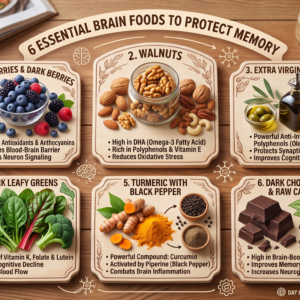
6 Powerful Brain Foods to Add to Your Pantry
You don’t need complex dietary supplements to nourish your nervous system. Nature has already packaged the essential compounds for brain longevity into vibrant, whole foods.
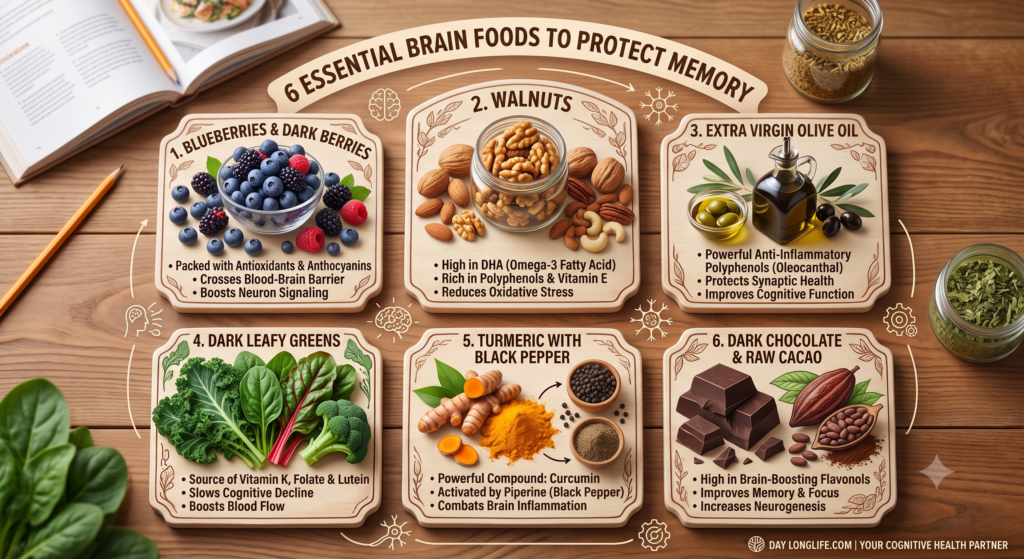
1. Blueberries & Dark Berries (The Antioxidant Powerhouses)
Berries are consistently ranked among the top foods for brain health, and for good reason.
- The Science: Dark berries are loaded with anthocyanins, a subclass of flavonoids with potent antioxidant and anti-inflammatory effects. These compounds cross the blood-brain barrier to neutralize free radicals and reduce neuroinflammation.
- The Benefit: Regular consumption of blueberries has been shown to improve communication between brain cells, increase brain plasticity, and delay age-related memory decline.
- How to Enjoy: Stir a handful of fresh or frozen blueberries into your morning warm oatmeal or enjoy them as a simple afternoon snack.
2. Walnuts (The Plant-Based Omega-3 Shield)
It is no coincidence that a walnut looks remarkably like a miniature human brain.
- The Science: Walnuts are exceptionally high in alpha-linolenic acid (ALA), a plant-based omega-3 fatty acid, along with polyphenols and vitamin E. Omega-3s are critical building blocks for brain cell membranes.
- The Benefit: They help lower blood pressure, protect arteries, and reduce oxidative stress in the brain, which supports faster information processing and improved memory retention.
- How to Enjoy: Sprinkle a small handful of toasted walnuts over roasted root vegetables or leafy green salads for a satisfying crunch.
3. Dark Leafy Greens (The Cognitive Preservers)
Leafy greens are dietary staples in every Blue Zone across the globe, acting as daily armor against cognitive aging.
- The Science: Spinach, kale, Swiss chard, and collard greens are rich in brain-protecting nutrients, including vitamin K, lutein, folate, and beta-carotene.
- The Benefit: Research indicates that individuals who consume just one serving of leafy greens per day experience a slower rate of cognitive decline—their brain scans resemble those of people up to 11 years younger!
- How to Enjoy: Gently braise greens in olive oil and garlic, or stir fresh kale into your favorite slow-simmered soups and stews.
4. Turmeric with Black Pepper (The Neuro-Inflammation Soother)
This golden spice is a celebrated staple in both Ayurvedic medicine and modern longevity science.
- The Science: Curcumin, the active compound in turmeric, has been shown to boost Brain-Derived Neurotrophic Factor (BDNF)—a vital growth hormone that functions like “fertilizer” for your brain cells, encouraging new neurons to grow and thrive.
- The Benefit: Curcumin helps clear protein plaques associated with age-related cognitive decline while soothing systemic inflammation.
- How to Enjoy: Always pair turmeric with a pinch of black pepper (which boosts curcumin absorption by 2,000%) and a healthy fat like extra virgin olive oil or coconut milk.
5. Extra Virgin Olive Oil (The Mediterranean Elixir)
Healthy dietary fats are essential for cognitive longevity, and cold-pressed extra virgin olive oil reigns supreme.
- The Science: Packed with monounsaturated fats and powerful polyphenols like oleocanthal, extra virgin olive oil protects the vascular system that feeds the brain.
- The Benefit: It promotes autophagy—the brain’s natural cellular cleanup process that breaks down and clears out damaged cell debris and toxins before they accumulate.
- How to Enjoy: Use it generously as a finishing oil, drizzling it raw over warm soups, roasted carrots, and fresh tomato salads just before serving.
6. Dark Chocolate & Raw Cacao (The Focus Enhancer)
Nourishing your brain should feel indulgent, and dark chocolate is proof that healthy eating can be deeply satisfying.
- The Science: High-percentage dark chocolate (70% cocoa or higher) and raw cacao are packed with brain-boosting flavanols, caffeine, and antioxidants.
- The Benefit: Cacao flavonoids gather in the areas of the brain responsible for learning and memory. They increase cerebral blood flow, enhance focus, and provide a gentle, sustained mood lift by stimulating endorphin and serotonin production.
- How to Enjoy: Savor one or two squares of 80% dark chocolate alongside your afternoon cup of herbal tea.
Building a Brain-Boosting Daily Plate
You don’t have to overhaul your entire diet overnight to see benefits in your mental clarity. Start by making simple, delicious swaps that build cumulative resilience over time:
- Swap your cooking oil: Reach for extra virgin olive oil instead of refined vegetable oils.
- Add color to your breakfast: Throw half a cup of dark berries onto your morning porridge or toast.
- Upgrade your snacks: Keep a jar of raw walnuts or almonds on your kitchen counter instead of processed crackers.
- Spice generously: Add a daily dash of golden turmeric and black pepper to your soups, roasted vegetables, and grains.
Nourishing an ageless mind begins in the kitchen. When you feed your body with real, antioxidant-rich, anti-inflammatory whole foods, you are actively investing in a clearer, sharper, and more vibrant future.
What is your favorite “brain food” to cook with at home? Have you ever noticed a shift in your mental clarity after eating a clean, nutrient-dense meal? Share your experience in the comments below!