-
The Three Doshas: Understanding Vata, Pitta, and Kapha for Personalized Longevity
At DAYLONGLIFE, we often highlight that true wellness is never a one-size-fits-all formula. What energizes one person might exhaust another, and a diet that cools one body might dampen the digestive fire of another.
This personalized approach to health sits at the heart of Ayurveda, where optimal vitality is achieved by understanding your unique mind-body constitution, known as your Prakriti, governed by three elemental energies called Doshas: Vata, Pitta, and Kapha.
By learning which dosha dominates your system, you can tailor your daily meals, stress-reduction practices, and self-care rituals for lasting balance and graceful aging.
What Are the Three Doshas?

In Ayurvedic philosophy, the universe—and everything within it—is composed of five basic elements: Space, Air, Fire, Water, and Earth. In the human body, these elements combine into three primary physiological energies:
- Vata (Space + Air): The energy of Movement
- Pitta (Fire + Water): The energy of Transformation & Metabolism
- Kapha (Water + Earth): The energy of Structure & Lubrication
Everyone possesses all three doshas, but most of us have one or two that are naturally more dominant. When these energies are in harmony, we feel energetic and clear-minded. When they fall out of balance due to stress, poor diet, or seasonal shifts, discomfort and fatigue arise.
🌬️ 1. Vata Dosha: The Energy of Movement
- Elements: Air & Space
- Qualities: Light, dry, cool, quick, mobile, and subtle
- In Balance: Creative, enthusiastic, quick-learning, flexible, and energetic.
- Out of Balance: Anxiety, racing thoughts, dry skin, cold hands/feet, bloating, and irregular digestion.
How to Balance Vata:
Since Vata is naturally cold, dry, and erratic, it thrives on warmth, routine, and grounding.
- Nutrition: Eat warm, cooked, nourishing foods like hearty root vegetable soups, stews, and whole grains with healthy fats (like extra virgin olive oil or ghee). Avoid cold, raw salads and icy drinks.
- Lifestyle: Establish a consistent daily routine (Dinacharya). Practice daily self-massage (Abhyanga) with warm sesame oil to ground the nervous system.
🔥 2. Pitta Dosha: The Energy of Transformation
- Elements: Fire & Water
- Qualities: Hot, sharp, light, oily, and intense
- In Balance: Sharp intellect, strong digestion, focused, courageous, and direct.
- Out of Balance: Irritability, anger, hyperacidity, skin rashes/inflammation, and burnout.
How to Balance Pitta:
Since Pitta is hot and intense, it benefits most from cooling, soothing, and moderation.
- Nutrition: Choose cooling, naturally sweet, and bitter foods like leafy greens, cucumber, sweet fruits, and coconut oil. Limit spicy, sour, fried, or overly salty foods.
- Lifestyle: Avoid overworking or harsh midday sun. Incorporate calm, non-competitive activities like evening walks, gentle yoga, and soothing herbal teas (such as peppermint or chamomile).
🌊 3. Kapha Dosha: The Energy of Structure
- Elements: Water & Earth
- Qualities: Heavy, slow, cool, oily, smooth, and stable
- In Balance: Calm, loving, patient, grounded, with strong stamina and immunity.
- Out of Balance: Lethargy, weight gain, sinus congestion, attachment, and resistance to change.
How to Balance Kapha:
Since Kapha is heavy, cold, and static, it needs stimulation, warmth, and movement.
- Nutrition: Favor light, warm, and well-spiced foods. Incorporate pungent and bitter flavors like fresh ginger, black pepper, turmeric, and steamed green vegetables. Minimize heavy dairy, sugar, and oily dishes.
- Lifestyle: Stay active with vigorous daily exercise. Seek out new experiences, awaken early (before 6:00 AM), and avoid daytime naps to keep energy flowing freely.
Bringing Dosha Awareness into Your Daily Routine
Discovering your dominant dosha isn’t about putting yourself in a rigid box—it is a compassionate tool for self-awareness. When you notice subtle signs of imbalance (like Vata restlessness on a windy autumn day or Pitta irritability during a hot summer afternoon), you can gently adjust your meals, teas, and rest to restore equilibrium.
Living long and well begins by listening to what your body is asking for in this present moment.
Which dosha qualities (Vata airiness, Pitta intensity, or Kapha grounding) do you feel most strongly in your life right now? Share your thoughts in the comments below!
-
DAYLONGLIFE.COM
Healthy Cooking. Ageless Mind. Everyday Wellness.
🌿 Welcome to Day Long Life
“Longevity is not about chasing eternal youth; it is about nourishing every single day with purpose, vitality, and peace.”
At DAYLONGLIFE, we believe that living a long, vibrant life is built through simple, intentional choices made right in your home. From anti-inflammatory dishes simmered in your kitchen to quiet daily rituals that soothe the nervous system, we provide timeless, sustainable guidance to help you walk gracefully alongside the passage of time.
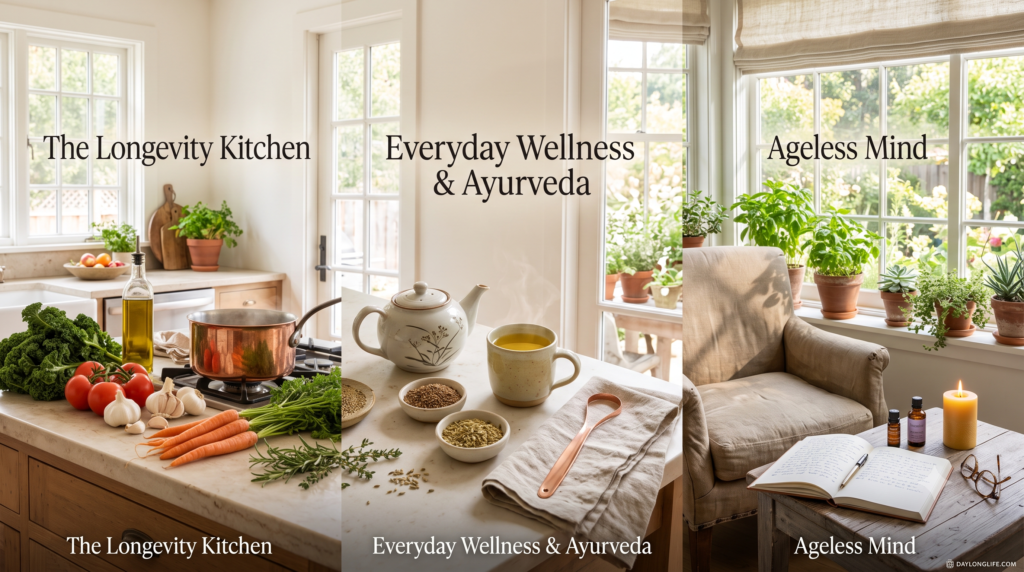
🏛️ Explore Our Core Pillars
1. 🍲 The Longevity Kitchen
Discover the power of Blue Zone cooking, anti-inflammatory recipes, and wholesome ingredients that turn healthy eating into a daily celebration.
- Blue Zone & Mediterranean Cooking: Wholesome, plant-forward dishes inspired by the world’s longest-living communities.
- Anti-Inflammatory Staples: Recipes rich in extra virgin olive oil, golden turmeric, fresh herbs, and gut-nourishing roots.
- Gentle Digestion: Learn why cooked greens, warm spices, and slow-simmered soups nourish your digestive fire (Agni).
👉 [Explore The Longevity Kitchen Recipes →]
2. 🧠 Ageless Mind
Protect your cognitive clarity, cultivate emotional resilience, and build a stress-resistant brain for life.
- Neuroscience & Stress Reduction: How daily breathwork, grounding rituals, and mindfulness protect your brain structure.
- Affirmations & Intentionality: Harnessing neuroplasticity to rewire self-talk, boost focus, and foster inner calm.
- Mindful Sabbaticals: Simple habits to clear brain fog, prevent mental fatigue, and restore creativity.
👉 [Read Ageless Mind Articles →]
3. ☀️ Everyday Wellness & Ayurvedic Health
Micro-wellness rituals and ancient Ayurvedic principles designed to bring balance into your modern routine.
- The Art of Hydration: Why warm water, morning sunlight, and mineral elixirs transform cellular vitality.
- Ayurvedic Morning Detox (Jihva Prakshalana): Cleansing overnight metabolic waste (Ama) with gentle tongue scraping to wake up digestion and taste buds.
- Whole-Spice Elixirs: Time-tested herbal tea blends (like CCF tea) and daily natural rhythms (Dinacharya) for dynamic energy.
👉 [Discover Everyday Wellness Habits →]
👉 [Discover Ayurvedic Health tips →]
🌟 Featured Stories & Recipes
🍵 Ayurveda Wellness Tea 🍅 Tuscan Tomato Elixir 🧘 Neuroplasticity & Calm An introduction to brewing whole cumin, coriander, and fennel seeds to awaken digestion. Why slow-cooked tomatoes and olive oil boost lycopene absorption by 300%. 7 daily affirmations and breathwork practices to lower cortisol and keep the brain sharp. 💌 Join The Day Long Life Community
Receive weekly anti-inflammatory recipes, mindful longevity practices, and peaceful wellness inspiration delivered gently to your inbox.
No spam, no fad diets—just honest, nourishing guidance for a vibrant life.
💬 What Our Readers Say
“DAYLONGLIFE reminded me that healthy living doesn’t need to be complicated or restrictive. The pumpkin soup and CCF tea have become non-negotiable parts of my weekly routine!”
— Sarah M.
© DAYLONGLIFE.COM | Nourishing Body, Mind & Spirit for a Lifetime.
-
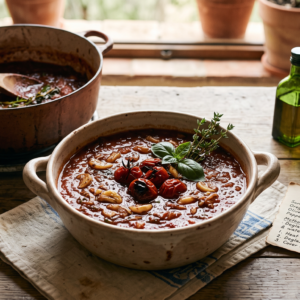
Red Gold: Slow-Simmered Tuscan Tomato & Herb Elixir
At DAYLONGLIFE, if there is one ingredient that embodies the warmth, flavor, and longevity of the Mediterranean coast, it is the humble tomato.
In Blue Zone regions like Sardinia, Italy, and Ikaria, Greece, tomatoes aren’t just an afterthought—they are a daily dietary cornerstone. Whether slow-roasted, simmered into fragrant sauces, or drizzled with extra virgin olive oil, tomatoes form the heart of anti-inflammatory cooking.
Today, we are sharing a classic Longevity Kitchen staple: Slow-Simmered Tuscan Tomato, Garlic & Herb Elixir. It is rich, velvety, deeply satisfying, and designed to unlock maximum cellular protection.
Why Tomatoes are a Longevity Superfood
While raw tomatoes are refreshing, cooking tomatoes with healthy fats turns them into a true medicinal power food:
- Lycopene Bioavailability: Tomatoes are famous for lycopene, a potent antioxidant that supports cardiovascular health, protects skin against UV damage, and reduces systemic inflammation. Cooking tomatoes in extra virgin olive oil boosts lycopene absorption by up to 300%!
- Heart & Vascular Support: High in potassium and Vitamin C, tomatoes help regulate blood pressure and protect arterial walls from oxidative stress.
- Synergistic Flavor & Health: When paired with garlic, onion, and fresh herbs like basil and oregano, cooked tomatoes create a rich prebiotic sauce that feeds beneficial gut microbes.
Simple Recipe: Slow-Simmered Tuscan Tomato & Herb Elixir
This versatile sauce can be served as a warm, comforting soup, spooned over ancient grains (like quinoa or farro), or used as a rich base for legumes and poached eggs.
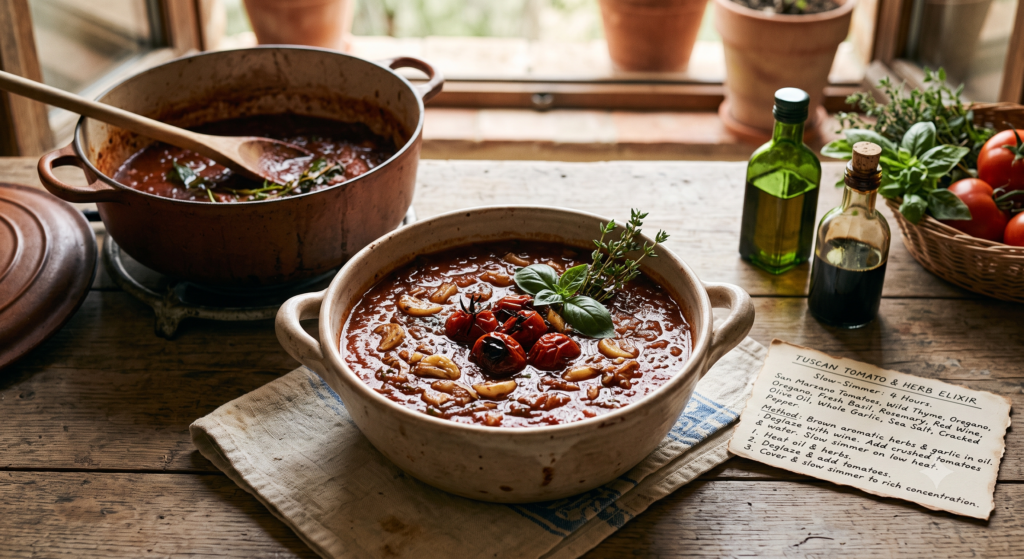
🌿 Ingredients (Serves 4)
- 2.5 lbs (1.1 kg) Ripe vine tomatoes (or 2 cans / 28 oz each of organic San Marzano whole peeled tomatoes)
- 3.5 tbsp High-quality extra virgin olive oil
- 1 medium Yellow onion, finely diced
- 5 cloves Garlic, thinly sliced
- 1 tsp Dried oregano or fresh thyme
- 1 cup Fresh basil leaves, roughly torn
- 1 pinch Sea salt and freshly cracked black pepper
- Optional: A tiny pinch of red pepper flakes for warmth, and toasted sourdough bread for serving
🥣 Step-by-Step Instructions
- Prep the Tomatoes: If using fresh tomatoes, blanch them in boiling water for 60 seconds, peel the skins, and coarsely chop the pulp. If using canned San Marzano tomatoes, crush them gently by hand in a bowl.
- Sauté the Aromatics: In a heavy-bottomed Dutch oven or deep skillet, heat the extra virgin olive oil over medium-low heat. Add the diced onion and garlic slices. Cook slowly for 8 to 10 minutes until soft, sweet, and translucent (do not let the garlic brown!).
- Add Herbs & Tomatoes: Stir in the dried oregano, a pinch of red pepper flakes, sea salt, and black pepper. Pour in the crushed tomatoes and their juices, stirring well to combine with the fragrant olive oil.
- Slow Simmer: Reduce the heat to the lowest setting, cover partially with a lid, and let it simmer gently for 30 to 40 minutes. Stir occasionally until the sauce turns deep red, glossy, and thick.
- Finish with Fresh Basil: Remove from heat and stir in the fresh torn basil leaves. Drizzle an extra tablespoon of raw extra virgin olive oil over the top before serving.
Longevity Tip: The Power of Olive Oil & Time
Never rush a tomato sauce! The slow, low-heat cooking process breaks down tough plant cell walls, allowing the fat-soluble lycopene to bond with the healthy monounsaturated fats in the extra virgin olive oil. This simple culinary synergy is one of the greatest secrets to Mediterranean vitality.
How do you like to cook tomatoes at home? Do you prefer a quick fresh sauce or a slow-simmered Tuscan stew? Share your favorite tomato recipes in the comments below!
-
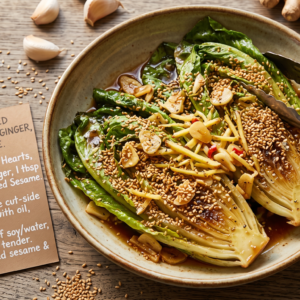
Crisp Vitality: Braised Lettuce with Garlic, Ginger & Sesame
At DAYLONGLIFE, we often think of lettuce merely as a cold, crunchy base for raw salads. But in traditional longevity cultures—especially in Mediterranean and Asian culinary traditions—lettuce is frequently cooked.
Gentle heating transforms humble greens, breaking down tough plant fibers while preserving delicate vitamins and creating a warm, comforting side dish that is remarkably easy on the digestive system.
Today, we are showcasing cooked lettuce as a hero ingredient in The Longevity Kitchen with a simple, anti-inflammatory recipe: Warm Braised Lettuce with Garlic, Ginger, and Toasted Sesame.
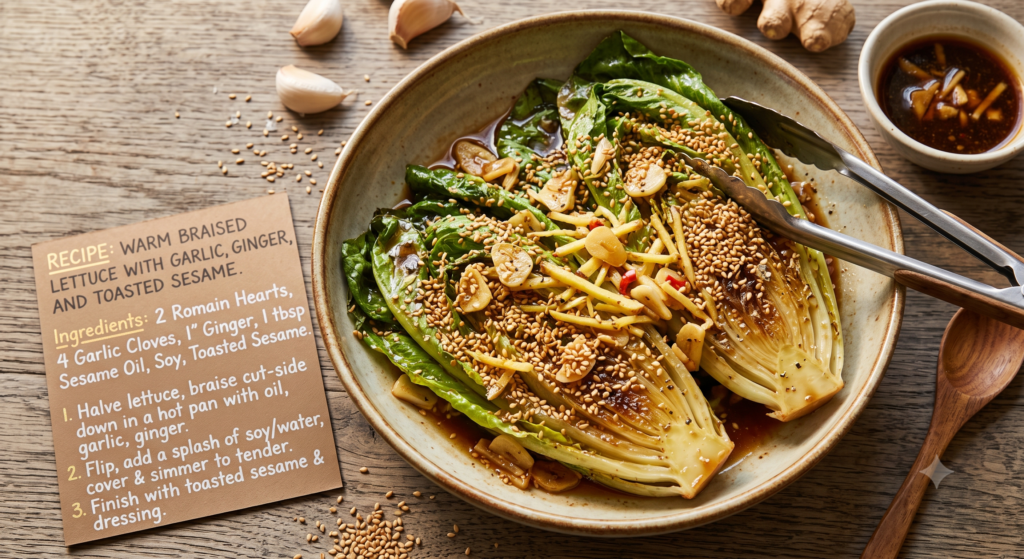
Why Cooked Lettuce Belongs in a Longevity Diet
Lettuce—particularly dark leafy varieties like Romaine, butterhead, or Little Gem—is an understated power vegetable loaded with vital nutrients:
- Heart-Healthy Folate & Vitamin K: Darker lettuces are rich in Vitamin K, which supports bone density and arterial health, as well as folate, an essential B-vitamin for cellular repair and DNA synthesis.
- Gentle on Digestive Fire: While raw salads can sometimes cause bloating or digestive strain (especially for sensitive gut types or during cooler seasons), gently braising or stir-frying lettuce wilts the greens, making their fiber much easier to digest while keeping nutrient absorption high.
- Hydration & Antioxidants: Lettuce has a very high water content combined with polyphenols and quercetin, helping to hydrate cells from within and soothe systemic inflammation.
Simple Recipe: Warm Braised Romaine with Ginger & Garlic
This quick 10-minute dish brings out a mild, buttery sweetness in lettuce, elevated by warming aromatics and healthy fats.
🌿 Ingredients (Serves 2–3)
- 2 heads Fresh Romaine or Little Gem lettuce (washed, dried thoroughly, and sliced lengthwise into halves or quarters)
- 1.5 tbsp Extra virgin olive oil or toasted sesame oil
- 2 cloves Garlic, thinly sliced
- 1 tsp Fresh ginger, julienned or finely grated
- 1.5 tbsp Low-sodium tamari or coconut aminos
- 1 tsp Toasted sesame seeds
- Optional: A light drizzle of raw honey or maple syrup, and a pinch of chili flakes for mild heat
🥣 Step-by-Step Instructions
- Prep the Greens: Trim the base of the lettuce heads, leaving enough stem so the leaves stay intact when cut lengthwise into halves or quarters.
- Warm the Aromatics: Heat the olive oil (or sesame oil) in a wide skillet over medium heat. Add the sliced garlic and ginger, sautéing gently for 30 to 45 seconds until fragrant without burning.
- Sear the Lettuce: Place the lettuce quarters cut-side down in the pan in a single layer. Press down gently with tongs and let them sear undisturbed for 2 minutes until lightly golden and caramelized.
- Glaze & Wilt: Turn the lettuce pieces over. Drizzle the tamari (or coconut aminos) directly over the lettuce. Cover the skillet with a lid and let it steam/braise for 1 to 2 minutes until the leaves are slightly wilted but still retain a bright green color and crisp center.
- Garnish & Serve: Transfer the warm lettuce to a serving platter, pour the garlic-ginger oil juices from the pan over top, and sprinkle generously with toasted sesame seeds.
Longevity Tip: The Art of Light Cooking
The key to cooking lettuce for maximum health benefits is speed. A quick sear or light steam preserves heat-sensitive antioxidants like Vitamin C while softening insoluble fiber.
Pairing warm greens with healthy fats (like sesame oil or extra virgin olive oil) ensures that fat-soluble vitamins (A and K) are easily absorbed by your body!
Have you ever tried cooking or braising lettuce instead of eating it raw? What is your favorite warm leafy green side dish? Share your thoughts in the comments below!
-
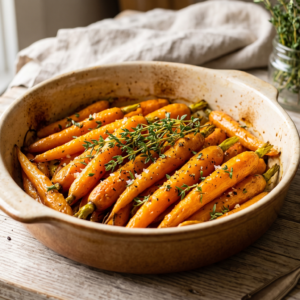
The Longevity Root: Golden Roasted Carrots with Turmeric & Olive Oil
At DAYLONGLIFE, we love celebrating humble, whole-food ingredients that punch far above their weight in nutritional power. Among all the vegetables in your crisper drawer, few are as versatile, accessible, and deeply nourishing as the carrot.
In modern longevity science and traditional culinary wisdom, carrots are celebrated as a true “longevity root.” Packed with potent antioxidants, dietary fiber, and essential vitamins, this vibrant orange vegetable is a core staple in anti-inflammatory diets and Blue Zone-inspired cooking.
Today, we are sharing a signature Longevity Kitchen dish: Golden Roasted Carrots with Turmeric, Garlic, and Extra Virgin Olive Oil. It is warm, sweet, savory, and designed to maximize nutrient absorption while delighting your senses.
Why Carrots are a Longevity Powerhouse
Carrots offer far more than just a sweet crunch. When prepared with healthy fats and warm spices, their health benefits soar:
- Beta-Carotene & Vitamin A: Carrots are rich in beta-carotene, an antioxidant that converts to Vitamin A in the body. It protects cellular health, supports immune resilience, and preserves sharp vision as we age.
- Gut-Nourishing Fiber: The soluble and insoluble fibers in carrots feed beneficial gut bacteria, promoting a balanced microbiome—the command center for healthy aging and immunity.
- Bioavailability Boosted by Cooking: Cooking carrots with healthy fats (like extra virgin olive oil) breaks down their tough plant cell walls, making beta-carotene significantly easier for your body to absorb!
Simple Recipe: Golden Roasted Carrots with Turmeric & Thyme
This side dish transforms simple root vegetables into a rich, caramel-tinged delicacy that pairs beautifully with toasted grains, legumes, or a fresh leafy green salad.
🌿 Ingredients (Serves 4)
- 1.5 lbs (700g) Whole organic carrots (peeled, or scrubbed clean with tops trimmed)
- 2.5 tbsp Extra virgin olive oil
- 1 tsp Ground turmeric
- 1/2 tsp Ground cumin or coriander seeds
- 3 cloves Garlic, finely minced or grated
- 3–4 sprigs Fresh thyme or rosemary
- 1/2 tsp Sea salt & a generous pinch of freshly cracked black pepper (essential for unlocking turmeric’s absorption!)
- Optional garnish: Fresh parsley, toasted pumpkin seeds (pepitas), or a squeeze of fresh lemon juice
🥣 Step-by-Step Instructions
- Preheat & Prepare: Preheat your oven to 400°F (200°C). Slice large carrots in half lengthwise (or into thick diagonal coins) so they roast evenly.
- Make the Anti-Inflammatory Oil: In a small bowl, whisk together the extra virgin olive oil, ground turmeric, cumin/coriander, minced garlic, sea salt, and black pepper.
- Toss & Coat: Arrange the carrots on a parchment-lined baking sheet. Pour the spiced olive oil mixture over the carrots and toss well until every piece is evenly golden. Scatter fresh thyme sprigs across the tray.
- Roast to Perfection: Roast in the oven for 25 to 30 minutes, flipping halfway through. The carrots should be fork-tender with lightly caramelized, golden-brown edges.
- Finish & Serve: Transfer to a warm serving platter, discard the crisp thyme stems, and drizzle with a fresh squeeze of lemon juice or top with crunchy toasted pumpkin seeds.
Cooking Tip for Maximum Vitality
Always pair turmeric with a pinch of black pepper and a healthy fat. Black pepper contains piperine, a natural compound that enhances your body’s absorption of curcumin (the active anti-inflammatory compound in turmeric) by up to 2,000%!
Enjoying root vegetables roasted slowly with warm spices is a beautiful, grounding way to honor your body and bring longevity directly onto your dinner table.
How do you like to prepare root vegetables at home? Have you tried roasting carrots with turmeric before? Share your thoughts in the comments below!